























The National President of the Kulen Allah Cattle Rearers Association of Nigeria (KACRAN), Hon. Khalil Mohd Bello, has called for urgent dialogue and renewed commitment from government and stakeholders to end the decades-long farmer-herder conflict in Nigeria.
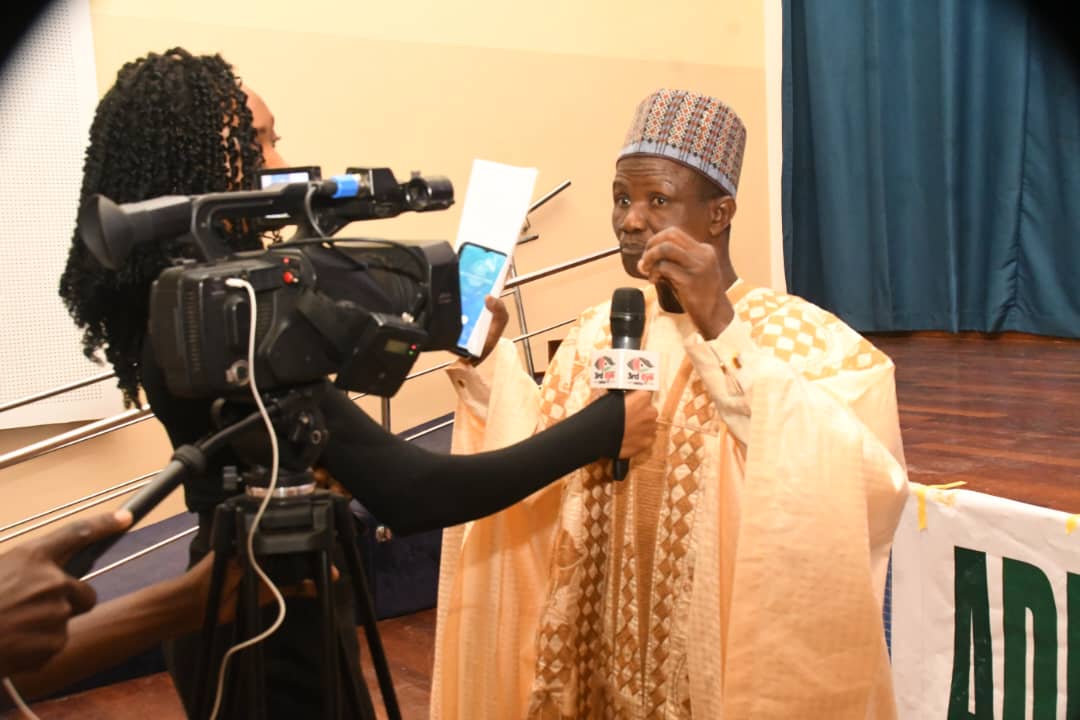
Speaking at the National Conference on the Farmers-Herders Conflict, held at the Yar’Adua Centre in Abuja between September 30 and October 1, Bello said pastoralists have endured “immense hardship and marginalization” for more than five decades, but now feel hopeful with the creation of the Presidential Livestock Reform Committee and the proposed Ministry of Livestock Development.
“With the recent establishment of the Presidential Livestock Reform Committee and the proposed Ministry of Livestock Development by His Excellency President Bola Ahmed Tinubu, we are filled with hope,” Bello said.
“We believe these initiatives will receive the necessary support from the Federal Government to finally end the endless hardship that Nigerian pastoralists have been muddling through for decades.”
A misunderstood people
Bello used the platform to challenge stereotypes about pastoralists, stressing that they are “among the most docile and peace-loving people in this country.”
“Our docility is often mistaken for weakness, yet it is a deeply ingrained part of our culture. We are a people who are humble, peace-loving, generous, and fully submissive to government institutions and traditional rulers,” he explained.
He recalled how, in earlier times, host communities so appreciated Fulani herders that they named their children “Dan Fulani.”
He cited the late Taraba State Governor, Dan Fulani Suntai, as an example, noting that many non-Fulani Nigerians still carry such names, symbolizing past bonds of coexistence.
From harmony to hostility
The KACRAN leader traced the conflict to structural neglect of the livestock sector. He said pastoralism thrived during the pre-colonial and First Republic eras, when grazing reserves and cattle routes were available across the North.
“During this nostalgic period, pastoralists operated in the most joyous and peaceful manner, relating nicely with their host communities. The traditional rulers and colonialists treated pastoralists and our occupation with dignity and respect,” Bello said.
But he argued that things began to deteriorate after the Second Republic, as Nigeria turned to oil and neglected agriculture.
He blamed border closures and farmer-focused policies of recent governments for encouraging the “blind and furious encroachment” on cattle routes and grazing reserves, leaving herders with no choice but to migrate into conflict-prone areas.
Bello outlined several measures to address the crisis, including reclaiming grazing reserves, reopening blocked cattle routes, enforcing justice, promoting dialogue, and compensating affected communities.
“Northern governors must face reality by reclaiming all reclaimable grazing reserves. If the governments of the Northern states do this and provide animal feeds and water points, our pastoralists will be able to stay in one place instead of moving to Benue, Plateau, and Southern states in their thousands and millions,” he urged.
He also stressed the importance of dialogue and accountability: “Pastoralists must stop destroying people’s farms and must compensate farmers for any accidental destruction. Similarly, farmers must stop encroaching on grazing reserves and blocking cattle routes.”
Calling for a collective effort, Bello appealed to government, traditional rulers, farmers, and herders to work together for peace.
“In conclusion, the solutions to this conflict are within our reach. We have a shared responsibility to work together—government, traditional rulers, farmers, and pastoralists—to build a future of peace, prosperity, and mutual respect,” he said.
He further urged political leaders to accept and implement the findings of the conference, describing it as a vital step towards ending one of Nigeria’s most persistent security challenges.