











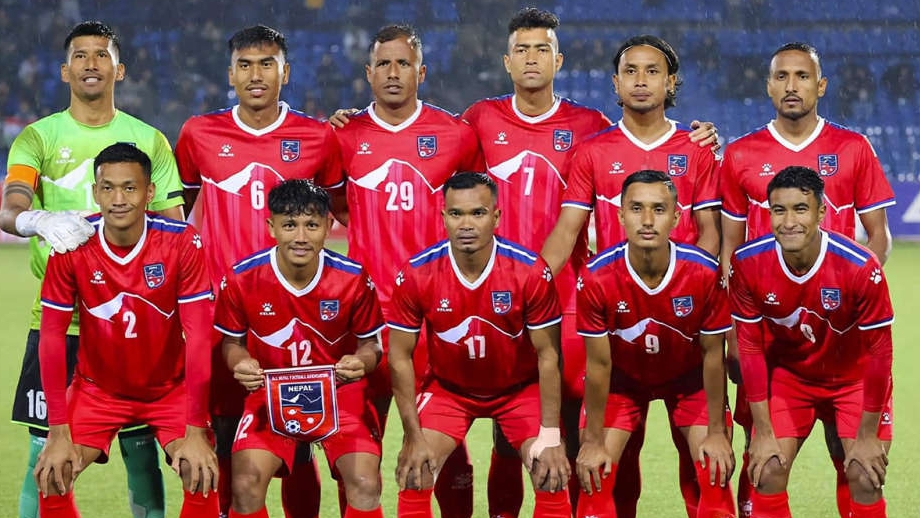
World football governing body FIFA has suspended the All Nepal Football Association (ANFA), preventing the country’s national teams and clubs from taking part in international football competitions with immediate effect.
The suspension stems from what FIFA described as “undue interference by a third party” in the management of Nepal’s football governing body. FIFA said the conflict emerged from disagreements between ANFA and Nepal’s National Sports Council regarding the administration and governance of football activities in the country.
In a letter signed by FIFA Secretary General Mattias Grafström, the football governing body stated that the decision followed what it termed “flagrant violations of the FIFA Statutes.”
FIFA insists that member football associations must function independently without control or interference from government authorities.
The governance crisis began in March 2026 when Nepal’s National Sports Council suspended ANFA for three months as the association was preparing for elections approved by both FIFA and the Asian Football Confederation. Although the suspension was later lifted in May, disputes surrounding the electoral process and suggested amendments to ANFA’s statutes persisted.
Reacting to the decision, ANFA spokesperson Suresh Shah described the suspension as a major setback for football in Nepal.
“The suspension is an issue of grave concern; we are consulting with all stakeholders to lift the suspension, keeping Nepal’s football in priority,” Shah said.
The suspension renders Nepal’s national teams and clubs ineligible to participate in FIFA-recognised international tournaments. It also blocks the association from benefiting from FIFA development initiatives, training programmes, and technical assistance.
FIFA noted that the suspension could be revoked if Nepal’s National Sports Council withdraws its earlier decisions and permits ANFA to complete its electoral process free from outside interference.
Nepal currently occupies 175th position in the FIFA Men’s World Rankings, while the country’s women’s national team is ranked 88th.
The development serves as another example of FIFA’s long-established policy of safeguarding the autonomy of national football associations against government involvement.