




















Nigerian scholars are no longer merely examining the persistent challenges confronting the continent’s publishing industry. Instead, they are taking deliberate steps to shape its future through practical and research-driven solutions.
With the publication of the academic book Issues in Book Publishing in Sub-Saharan Africa by LASU Publishers, co-authors Dr. M. O. Biobaku, Dr. I. Bayo Oloyede, and the late Prof. Lai Oso have presented a forward-looking framework for publishing practices across the region.
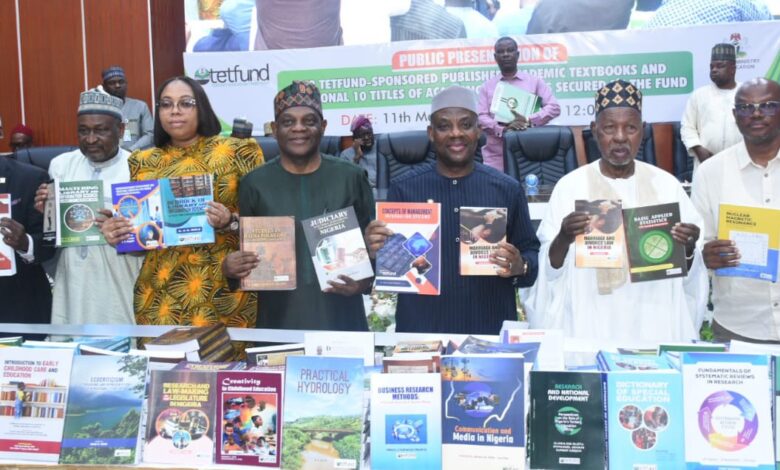
Sponsored by the Tertiary Education Trust Fund (TETFund) and officially released on June 15, 2026, the book goes beyond highlighting long-standing concerns by presenting a carefully developed, technology-oriented vision that encourages publishers and policymakers to respond effectively to emerging realities.
According to a statement issued by the lead author, Dr. Muftau Olanrewaju Biobaku, the publication offers a comprehensive assessment of an industry struggling between enormous opportunities and deep-rooted structural constraints.
The authors describe publishing as a vital driver of socio-economic development that continues to suffer from weak policies, inadequate infrastructure, and the steady decline of indigenous-language publishing caused by commercial demands.
A substantial section of the book also examines the financial losses affecting local scholarship through a historical and legal analysis of book piracy and copyright infringement, challenges that have grown alongside advancements in printing technology.
Importantly, the publication presents a forward-looking strategy for a digital transformation of African publishing. According to Dr. Biobaku, various chapters examine the adoption of Artificial Intelligence (AI) in writing and editing processes, the use of interactive digital textbooks to improve learning accessibility, and the application of online marketing to promote local scholarship internationally.
The lead author further explained that, by rethinking children’s literature with stronger cultural content and promoting healthier partnerships between authors and publishers, the contributors have provided the industry with a practical pathway toward restoring its independence and building a lasting reading culture.
In the words of Dr. Biobaku, the newly released book is designed to “illuminate the complexities of the industry while offering practical recommendations and future directions for strengthening book development, promoting literacy, preserving cultural heritage, and advancing knowledge production across the continent.”
The publication also forms part of a broader academic drive aimed at promoting sustainable book development across developing nations.
The volume was produced under TETFund’s Higher Education Book Development Intervention Project, a strategic programme introduced by the Federal Government to address the critical shortage of locally produced academic books in tertiary institutions.
By supporting indigenous research and reducing Nigeria’s dependence on imported academic materials, the initiative seeks to ensure that students across the country have greater access to quality, locally relevant educational resources.