




















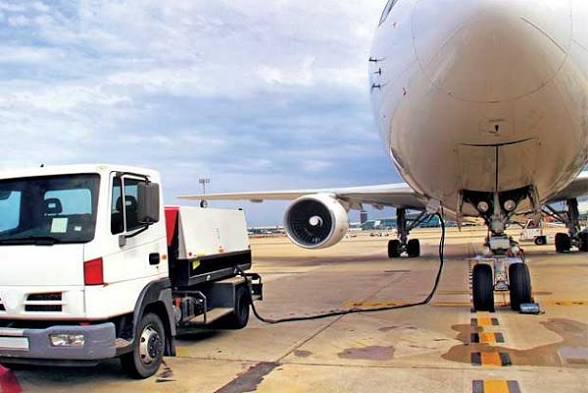
Nigeria’s aviation industry is facing increasing financial strain as the price of aviation fuel, widely known as Jet A1, continues to surge across the country. The upward trend is placing greater pressure on airline operations and could soon result in higher ticket fares for passengers travelling within Nigeria and on international routes.
Latest industry findings indicate that aviation fuel prices have risen considerably in key cities such as Abuja, Lagos, Kano, and Port Harcourt.
Why aviation fuel prices are increasing
Fuel remains one of the largest expenses in airline operations. According to the International Air Transport Association, aviation fuel can account for up to 40 percent of an airline’s total operating costs.
Industry analysts say several factors are contributing to the increase in Nigeria, including global crude oil price movements, exchange rate volatility, and rising importation and distribution expenses.
The Nigerian Civil Aviation Authority has also stressed the importance of establishing sustainable fuel supply solutions to ensure greater stability within the aviation sector.
Impact on air travellers
For passengers, the continuous rise in fuel costs may result in noticeable changes to air travel. Airlines are expected to adjust by raising ticket fares or limiting promotional offers.
As a result, travellers may face higher fares on domestic routes, fewer discounted ticket promotions, and reduced flight frequencies on selected destinations.
These challenges are expected to have a greater impact on business travellers and students who depend on reasonably priced domestic air services.