
























Imports of Premium Motor Spirit (PMS), commonly known as petrol, fell by 30 million litres between January and August 2024.
This is according to the latest supply tracker released by the Nigerian Midstream and Downstream Petroleum Regulatory Authority (NMDPRA).
This was revealed on Tuesday during the sixth edition of the Meet-the-Press briefing series organised by the Presidential Communications Team at the Aso Rock Villa, Abuja.
Farouk Ahmed, Chief Executive Officer of NMDPRA, addressed State House correspondents, stating that local production had increased dramatically within the same period.
“Local supply rose 670 per cent within that period,” Ahmed said.
Refineries ramp up production
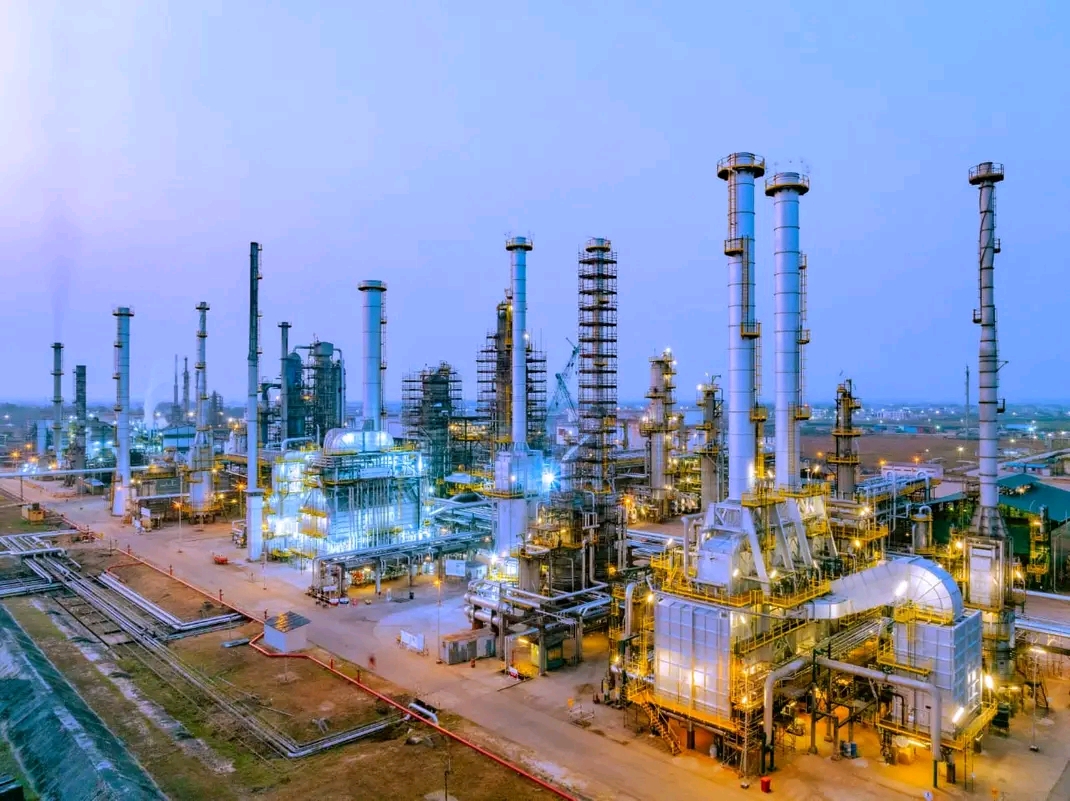
According to him, the rise in local supply was largely due to the phased restart of the Port Harcourt Refining Company in late November 2023 and increased output from modular refineries across the country.
“After contributing virtually nothing in August, local plants delivered 26.2 ML/day in early April, a jump from the 3.4 ML recorded in September, the first month with measurable output,” Ahmed noted.
The Port Harcourt refinery, which had been undergoing rehabilitation, played a key role in improving local production figures, alongside other smaller-scale refineries.
Still below national demand benchmark
Despite the improvements, the country’s petrol supply still struggled to meet the government’s 50 million litres per day benchmark for national consumption. Ahmed explained that in the eight-month window under review, the supply only exceeded this threshold twice.
“Combined supply crossed the government’s 50 ML/day consumption benchmark only twice in the eight-month window—November (56 ML) and February (52.3 ML),” he said.
He further disclosed that the supply slightly dipped in March to 51.5 million litres per day, and continued to drop in early April.
“The first half of April recorded an even lower average of 40.9 million litres per day,” Ahmed added.
While the drop in imports and rise in local production is seen as a positive step towards self-sufficiency, industry watchers say consistent investment in refining infrastructure and operational stability will be essential to sustain the momentum.