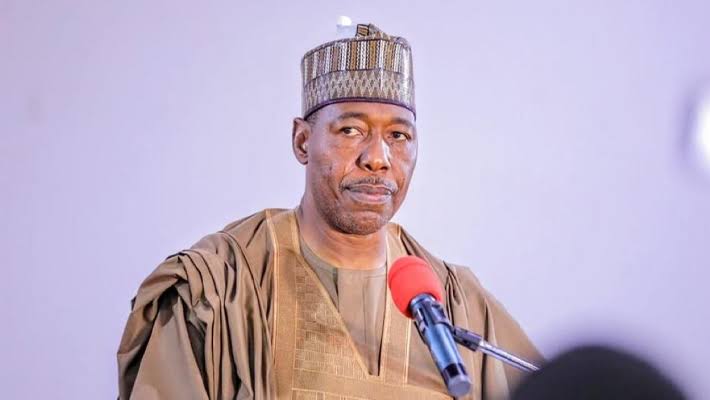



















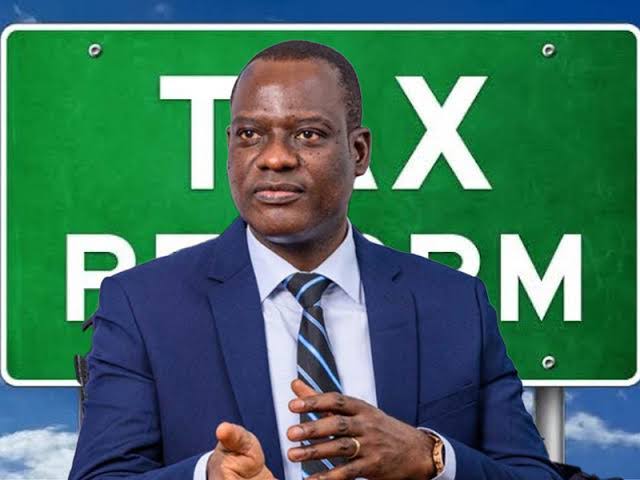
The Chairman of the Presidential Committee on Fiscal Policy and Tax Reforms, Taiwo Oyedele, announced that Nigerian households earning N250,000 or less per month will be exempt from personal income tax under the newly signed tax reform laws.
This exemption, according to the report on Daily Trust, aims to stimulate economic activity, track tax evaders, and protect low-income earners, with the reforms set to take effect from January 2026.
Oyedele spoke on ‘Politics Today,’ a Channels Television programme, on Thursday, a few hours after President Bola Tinubu assented to four new tax bills.
According to him, the objectives of the new laws, which would take effect from January 2026, were not intended to increase taxes but to stimulate economic activity in the country and track tax evaders.
Oyedele stated that the new laws would also protect businesses and ensure that the government doesn’t tax poverty, adding that the new laws are efficiency-driven, growth-focused, and people-centric.
“This tax law will not give you cash in your pocket, but at least it won’t take your cash away if you are poor,” he said.
Quizzed on what his committee described as a poor household, Oyedele said they “came up with a N120,000 or N130,000 per two people working in a household of five”.
“If the earnings are about N250,000, they can take care of themselves. Of course, they are not going to have luxury, but at least they can take care of themselves. They are poor, and they shouldn’t pay taxes.”
The tax boss said the tax law will not put cash in their pocket, but at least it will not “take anything out if you’re poor”.
“We have eliminated the tax component for people at the bottom, we have reduced it for people at the middle, and we have increased slightly for people at the top,” he added.
He said while low-income earners will be fully exempt, middle-income households, earning around N1.8 million and N2 million a month, will see lower tax rates, and top earners, those making N2 million and above monthly, will contribute slightly more.
He said the people earning N2 million and above monthly are less than 5 percent of all workers.
He said to arrive at a decision, his committee debated the poverty line of an average Nigerian.
Oyedele explained that determining poverty in Nigeria required careful consideration. “we started with data like the World Bank and the UN will tell you two dollars, fifteen cents a day per person means you are at the poverty line but there are people who do not earn two dollars a day but they are not poor because they produce the food that they eat and they do not pay for transportation. I lived and grew up in the village.”
According to him, the committee developed a Nigeria-specific poverty line, considering an average family of five with typically two working members supporting the household.