








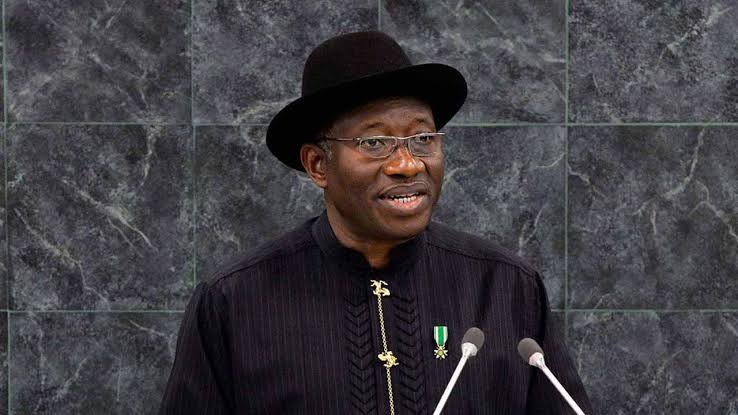








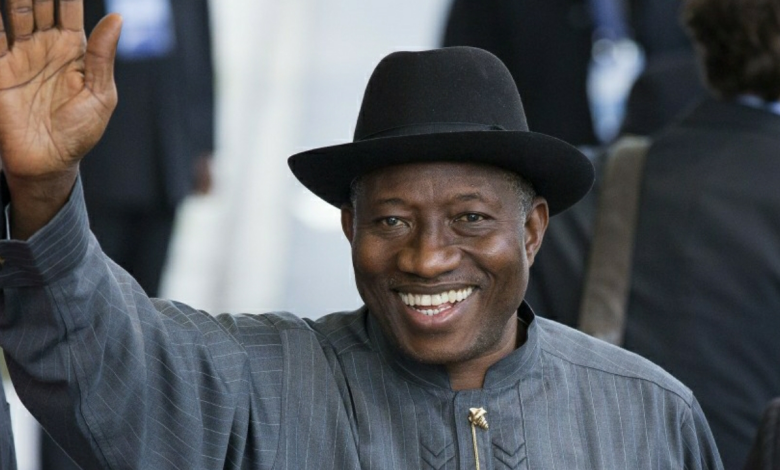
The Presidency on Monday declared that former President Goodluck Jonathan has every right to contest the 2027 elections but warned that his “dismal record in office” is still vivid in the minds of Nigerians.
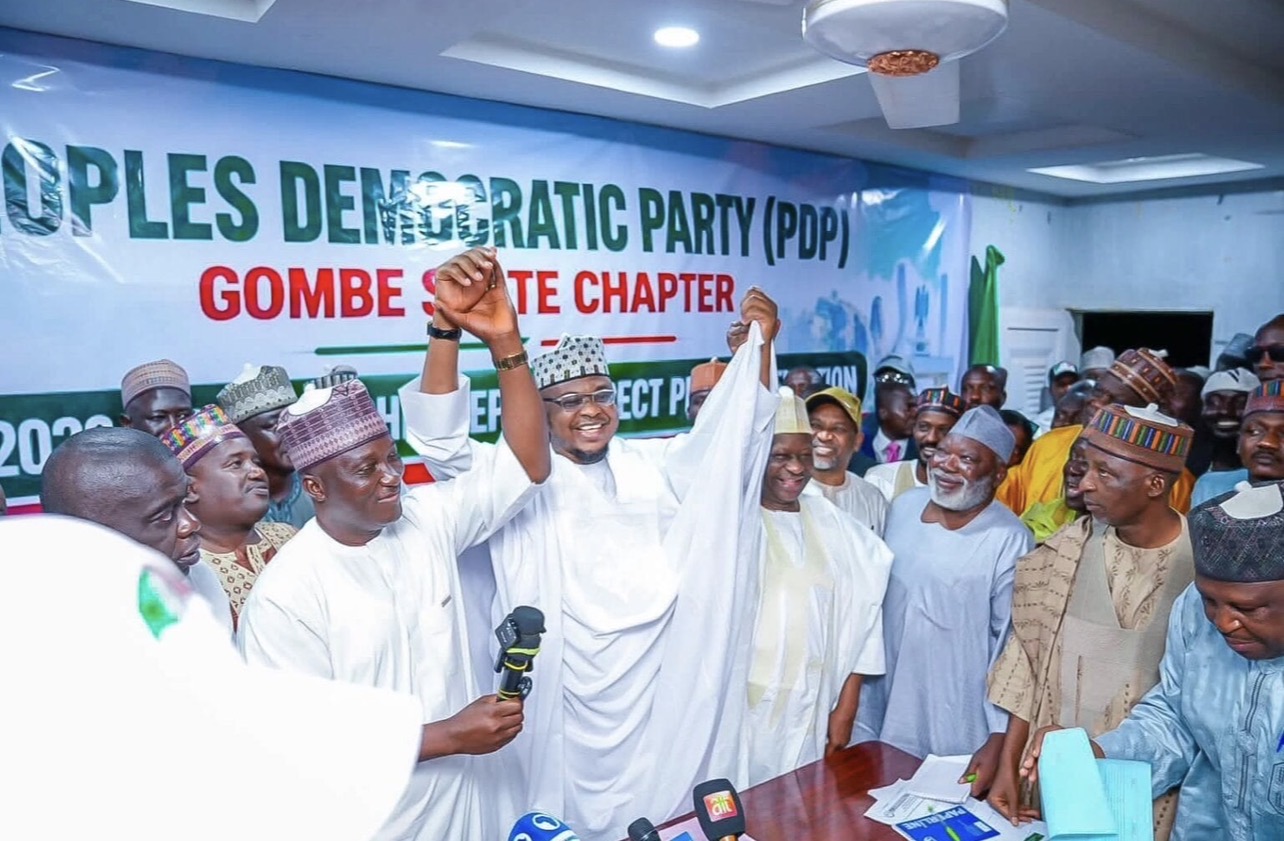
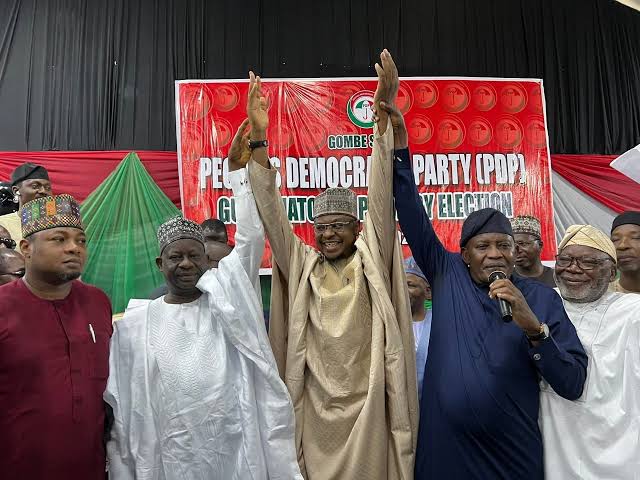
It described as “absurd” the plan of the Peoples Democratic Party to present Jonathan on what it called a “discredited platform” that “bequeathed a legacy of economic ruins, after 16 years of bad governance.”
Special Adviser to the President on Information and Strategy, Bayo Onanuga, made these remarks in a statement signed Monday evening titled, ‘Former President Jonathan is welcome to the race. Nigerians will remember his dismal record in office.’
Onanuga noted that while the current government “wholeheartedly welcomes” Jonathan to the race if he decides to run, the former leader would face both constitutional barriers and public perception.
He said, “President Jonathan reserves the right to run if he wishes. It is his inalienable right to contest the presidency again.
“But Jonathan will have his date in the court of the land…and will also have his encounter with the people as to whether he has anything new to offer after his disastrous six years, for which they voted him out in 2015.”
The statement followed recent remarks by former Minister of Information and PDP chieftain, Professor Jerry Gana, suggesting that Jonathan could return on the PDP ticket. Gana argued that the ex-president, who was defeated in 2015 by Muhammadu Buhari, was in a position to challenge Tinubu in 2027.
However, the Presidency dismissed the suggestion as mere political fantasy.
“Gana even deluded himself, asserting that the former President would defeat President Tinubu to reclaim power after 12 years,” Onanuga wrote, advising Jonathan to beware of “sugar-coated cheerleaders” in the PDP who, he said, deserted him in the past and would do so again.
The PDP ruled Nigeria for 16 years before being unseated by the All Progressives Congress in 2015. The APC has repeatedly accused the PDP of leaving behind structural economic and institutional weaknesses.
Presidency contrasts Jonathan era with Tinubu reforms
Onanuga further accused Jonathan’s administration of waste, corruption, and fiscal recklessness during a period of high oil revenues.
“We cannot forget in a hurry how his regime, devoid of any clear economic agenda, engaged in frivolous spending, ran the economy aground and put the country in dire straits,” the statement noted.
He explained that Jonathan inherited $66bn in 2010, $46bn in foreign reserves, and $20bn in the Excess Crude Account, but by 2015 left less than $30bn in reserves and just $2bn in the ECA despite average oil prices of $100 per barrel.
He added that by the end of Jonathan’s tenure, federal salaries were unpaid, and 28 states were deep in arrears.
He stated, “It is on record that between 2010 and 2013, crude oil sold for an average of $100 per barrel. By December 2014, however, the Jonathan-led Federal Government could no longer pay salaries to Federal Civil Servants. At least 28 states across the country owed workers huge salary arrears.
“In contrast, President Tinubu has taken bold decisions over the last 28 months to reset the economy, removing the ruinous fuel subsidy and abolishing multiple exchange rates, which paved the way for arbitrage to flourish. The President has stabilised the economy in slightly over two years in office.
“In 2025 Q2, the Gross Domestic Product grew by 4.23 per cent, the highest in four years, outpacing the 3.4 per cent projected by the International Monetary Fund. Inflation decreased to 20.12 per cent in August 2025, the lowest level in three years. The foreign reserves stand presently at $42.03bn. The Naira has virtually stabilised. Investor confidence in our economy has been restored, and investors are betting on Nigeria.”
The Presidency also accused Jonathan of mismanaging security funds, saying, “Jonathan and his National Security Adviser, Col. Sambo Dasuki (retd), freely distributed security funds to friends and cronies.”
In contrast, it credited Tinubu with “giant economic strides,” arguing that Nigeria had “turned the corner.”
Onanuga added, “In plain language, the nation has turned the corner. And our people have started reaping the gains of the bold reforms instituted by the Tinubu administration. Road infrastructure is being boosted.
“Old roads are being reconstructed while new ones, like the Lagos-Calabar Coastal Highway and the Sokoto-Badagry Highway, among others, are springing up. The government is addressing security issues in some parts of the country.”
The statement highlighted the removal of subsidies, exchange rate unification, and renewed infrastructure projects as evidence of progress.
“In 2025 Q2, the Gross Domestic Product grew by 4.23 per cent, the highest in four years, outpacing the 3.4 per cent projected by the International Monetary Fund,” it restated.
It added that inflation had eased to 20.12 per cent in August, foreign reserves rose to $42bn, and the naira had “virtually stabilised.”
“Investor confidence in our economy has been restored, and investors are betting on Nigeria,” Onanuga said, citing projects such as the Lagos-Calabar Coastal Highway and Sokoto-Badagry Highway as evidence of reforms.
The Presidency insisted it was unshaken by Jonathan’s possible return bid.
Onanuga concluded, “President Jonathan and others are welcome to the 2027 race.
“They broke the economy before, but millions of Nigerians who will not easily forget the recent past will not allow them to return to run it down again.”