
























The Chairman of Ifelodun Local Government in Kwara State, Hadji AbdulRasheed Yusuf, has claimed that Fulani are the primary victims of kidnapping in Kwara South.
While disclosing, he stated that more than 98 per cent of those kidnapped are not Yorubas as generally assumed.
Yusuf made the disclosure while speaking at the Nigeria Union of Journalists (NUJ) Correspondents’ Chapel “Newskeg” programme, held at the council secretariat in Ilorin.
According to him, the matter became worrisome after security agencies confirmed to the council that the vast majority of abduction cases in the area involved Fulani victims.
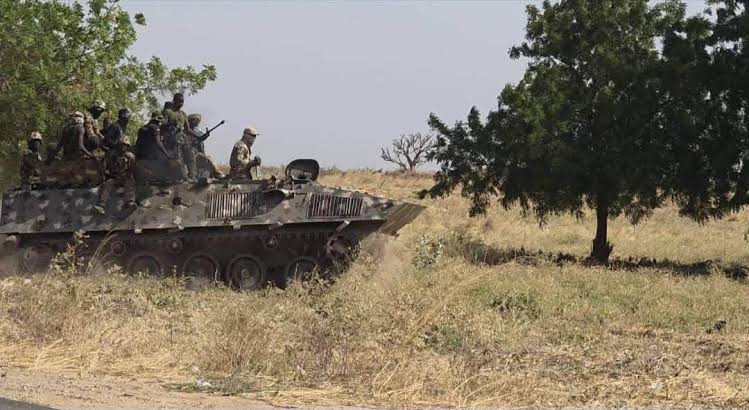
The council chairman further explained that intelligence findings indicated informants were using cattle markets at night to pass information to kidnappers.
He said that the seven council chairmen in the Kwara South senatorial district had initially agreed to close all cattle markets but later rescinded the move.
On Security Measures, Market Monitoring
He stressed that the initial shutdown was not an error and the reversal was not because of pressure but rather a result of further security evaluation.
“We shut cattle markets when we noticed that informants were using the markets to exchange information with bandits. When we did that, we were able to cut down the practice,” he said.
Yusuf added that the markets were later reopened under close monitoring, restricting their operations between 6 am and 6 pm.
He lamented that nearly every resident in Ifelodun had become an informant for criminal groups, which made it difficult to know who to trust.
Speaking on his one-year achievements in office, the chairman noted that his administration had introduced multiple measures to improve local security.
He highlighted the recruitment and training of 100 forest guards, provision of 20 motorcycles to security groups, distribution of 50 bulletproof vests, and supply of modern surveillance gadgets. He also stated that the guards were enrolled in the state health insurance scheme.
The council further introduced a non-indigene registration exercise to generate reliable data on residents, while traditional rulers were given identity cards and official plate numbers to boost community surveillance.
Yusuf linked insecurity in Ifelodun to poor roads, pointing out that bandits exploited bad routes to carry out abductions.
“When we began opening up roads, they attacked because free movement of traffic would obstruct their activities and allow vigilance members and security agencies to close in on them,” he said.
He appealed to stakeholders in the state not to politicize insecurity but rather unite in prayers for lasting peace.
The council chairman commended traditional rulers for working with the government to drive out non-state actors and pledged to focus on transformative projects in road construction, education, health, and security as he begins his second year in office.