











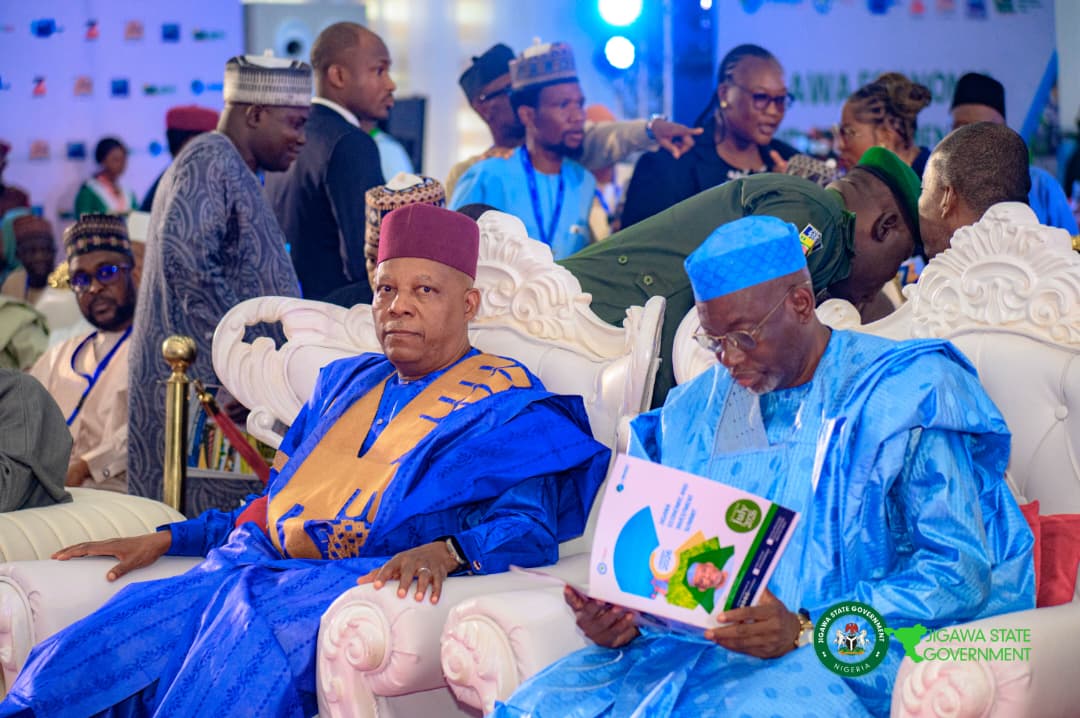
Governor Umar Namadi of Jigawa State says the state has attracted 64 completed investment projects in the last three years, spanning the agriculture, manufacturing, and renewable energy sectors.
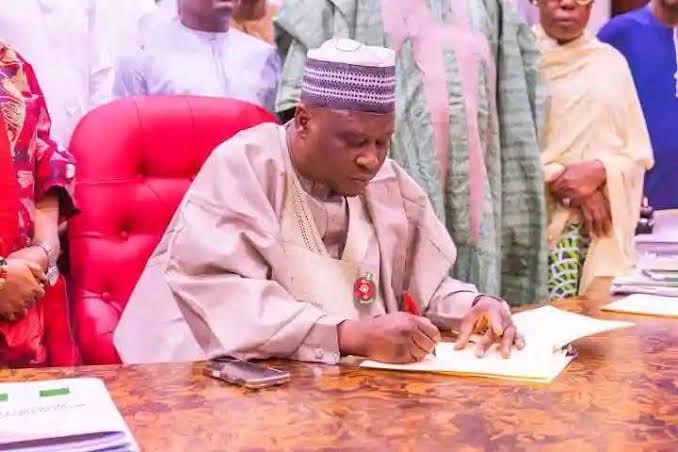
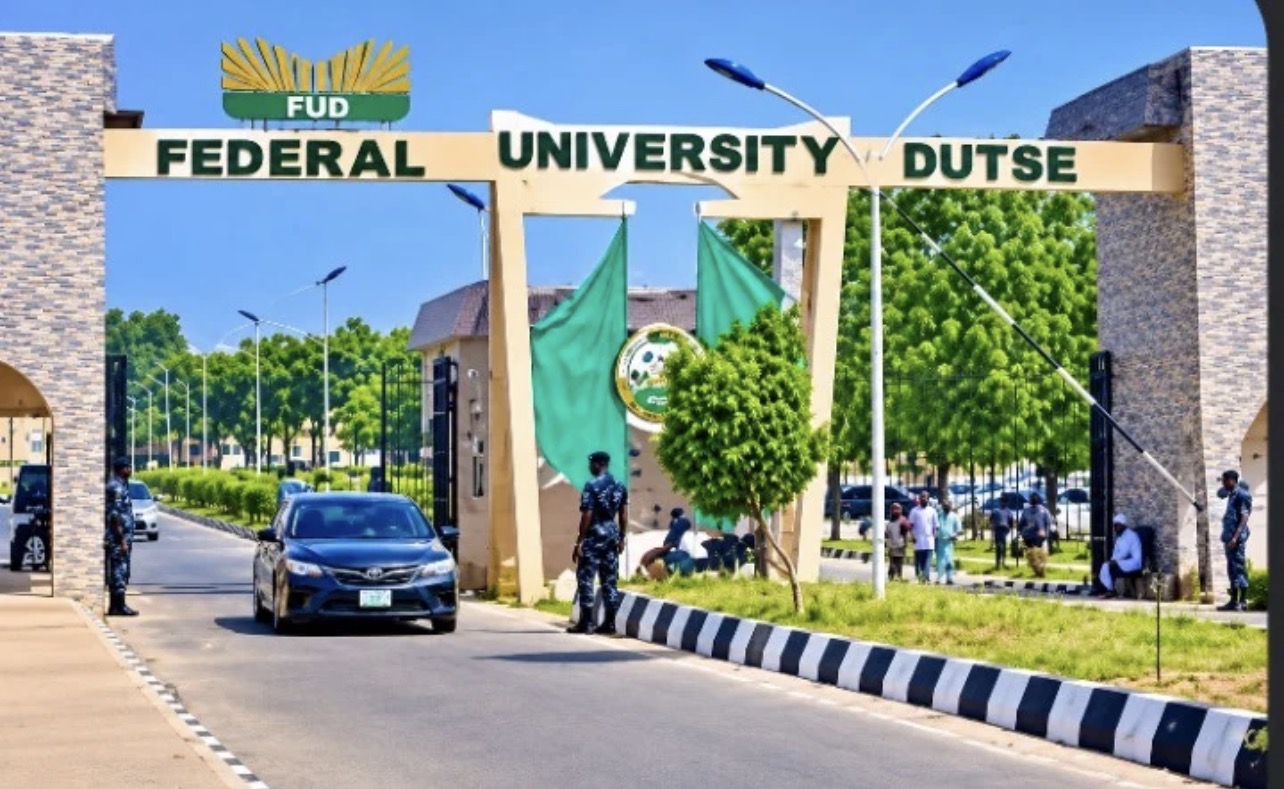
The governor made the announcement at the Second Jigawa State Economic and Investment Summit (J-INVEST 2026) in Dutse, where government officials, investors, development partners and business leaders gathered to explore new investment opportunities in the state.
Namadi said the projects were part of ongoing efforts to transform Jigawa into a leading investment destination through strategic investments in agriculture, infrastructure, energy and human capital development.
According to him, the state government has backed its investment drive with significant public spending, allocating more than 76 per cent of the 2026 budget to capital projects while committing over ₦396bn to sectors that directly support economic growth, job creation and private sector participation.
The governor said Jigawa’s comparative advantage lies in agriculture, noting that the state remains Nigeria’s leading producer of sesame, hibiscus and wheat. He added that more than 411,000 hectares of fertile Fadama land and extensive irrigation infrastructure provide opportunities for year-round agricultural production and agro-processing investments.
He identified agro-processing, renewable energy, manufacturing, healthcare, logistics, digital commerce and the Maigatari Border Free Zone as key sectors open to investors.
Declaring the summit open, Vice President Kashim Shettima said the Federal Government’s ongoing economic reforms are designed to improve the business environment and attract greater private sector investment into the Nigerian economy.
Shettima said reforms in the foreign exchange market, business registration processes and electricity sector are creating new opportunities for investors and helping states unlock their economic potential.
The Vice President commended the Jigawa State Government for its efforts to expand agricultural production, noting that the state contributed nearly 40 per cent of Nigeria’s wheat output during the last farming season.
He, however, called for increased investment in mechanisation, irrigation, improved seedlings and modern farming technologies to boost productivity and strengthen national food security.
The two-day summit is expected to attract fresh investment commitments and partnerships aimed at accelerating industrialisation, creating jobs and expanding economic opportunities in Jigawa State.
Stakeholders say the success of the summit will ultimately be measured by the ability of both government and investors to translate commitments into tangible projects that improve livelihoods and drive sustainable economic growth.