





















The Borno State Government has pledged to strengthen its justice system through reforms, technology, and collaboration, with a focus on expanding access at the grassroots.
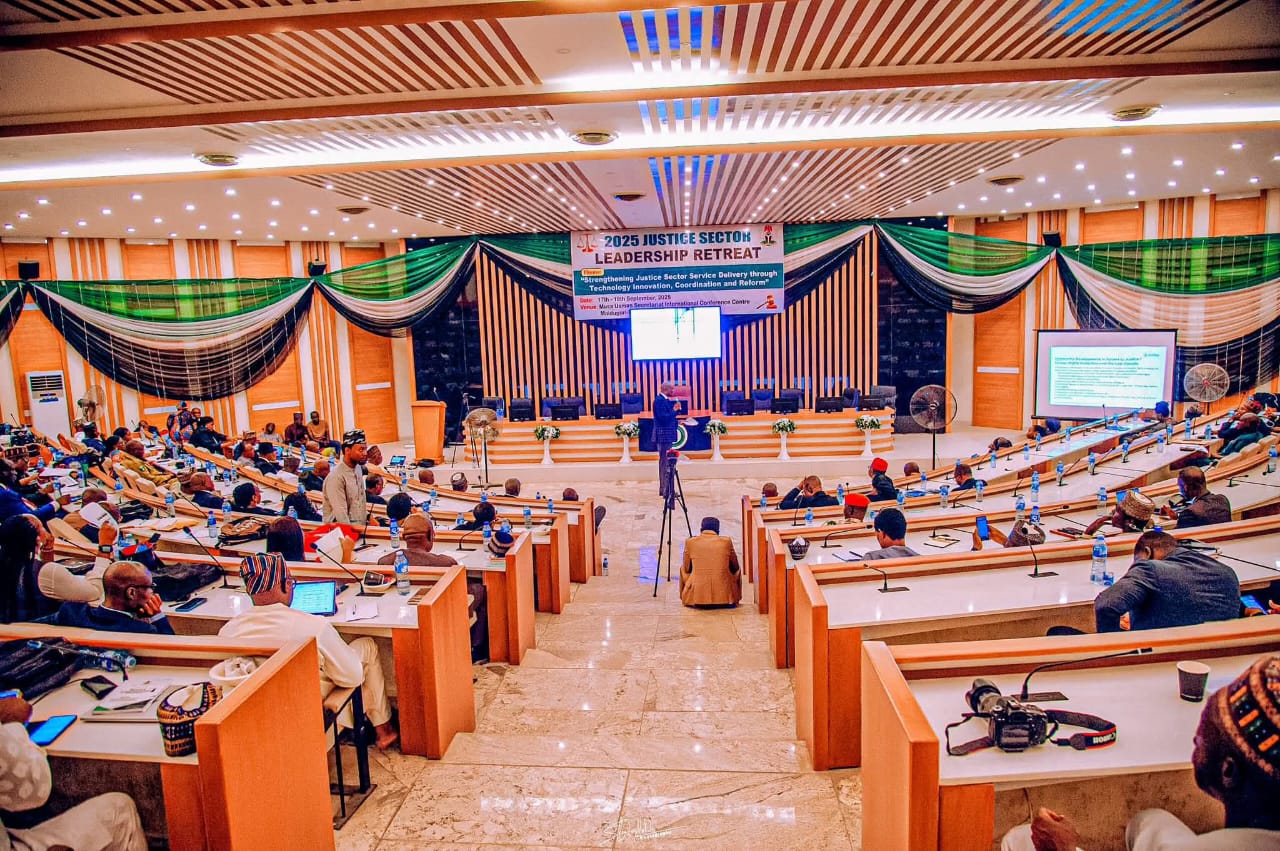
Governor Babagana Umara Zulum made the commitment on Wednesday at the 2025 Justice Sector Leadership Retreat held at the Musa Usman Secretariat International Conference Centre in Maiduguri.
The event was organized by the State Attorney General and Commissioner for Justice, Barrister Hauwa Abubakar, in partnership with the Federal Ministry of Justice.
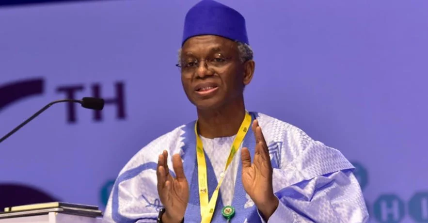
“I reaffirm Borno State’s commitment to working with the Federal Government, the Judiciary, the National Assembly, and development partners to deepen reforms in our justice system, especially at the grassroots level,” Zulum said.
He explained that the state has already deployed digital tools to improve case tracking, enable virtual court sittings, reduce prison congestion, and provide legal aid in rural communities. “If deployed strategically, technology can bridge the gap between rural and urban justice access,” he added.
The governor emphasized that justice must play a central role in rebuilding trust, promoting healing, and restoring the social contract in a state still recovering from insurgency and humanitarian crises. He also urged for coordinated reforms to address terrorism, corruption, land disputes, and investment security.
“I urge all of us here—policymakers, jurists, administrators, and stakeholders—to see coordination not as a procedural matter, but as a moral imperative,” he stated.
The retreat, themed “Strengthening Justice Sector Service Delivery through Technology, Innovation, and Coordinated Reform,” focused on innovation as a pathway to a transparent and accountable justice system.
Attorney General Hauwa Abubakar also noted the importance of updating laws to reflect technological changes while also investing in digital literacy, cybersecurity, and data management for justice professionals.
“By fostering a culture of innovation and leveraging the transformative power of technology, we can build a justice system that is more efficient, more accessible, and more equitable for all Nigerians,” she said.