

















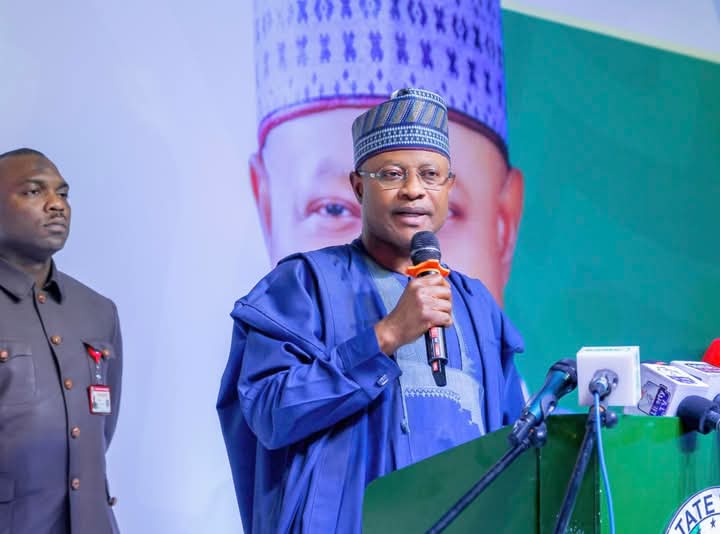
Governor Uba Sani of Kaduna State has launched the Kaduna State Ultra-Poor Graduation Programme (KADUPG), a groundbreaking initiative designed to lift thousands of the state’s most vulnerable citizens from extreme poverty to sustainable livelihoods and dignity.
Implemented through the Kaduna State Social Investment Programme Agency (KADSIPA), the programme embodies a holistic approach that integrates social protection, livelihood support, financial inclusion, and tailored mentoring.
KADUPG focuses on individuals earning less than $3 a day, identified through the Kaduna State Social Register, one of Nigeria’s most comprehensive poverty mapping systems.
The initiative prioritises women, youth, and persons with disabilities, reflecting the administration’s commitment to equity, resilience, and inclusive growth.
In its initial phase, KADUPG will support 2,400 beneficiaries across Kaduna State. Each participant will receive up to ₦300,000 in productive support to establish livelihood ventures.
The package includes seed capital, skills training, financial literacy education, business mentorship, and market integration, ensuring that the intervention serves as a springboard to self-reliance, not just temporary relief.
Building on Social Investment Reforms
Governor Sani said the programme builds on years of deliberate investment in social protection and human capital development by his administration.
“We envision a Kaduna State where poverty is not only alleviated but systematically uprooted; where opportunity is not a privilege for the few, but a right guaranteed to all,” he stated.
Development partners, including the Gates Foundation, Innovations for Poverty Action (IPA), Village Enterprise, AMA Foundation, and civil society organisations, commended Kaduna’s data-driven and evidence-based approach.
They described KADUPG as a model of people-focused intervention that can inspire other states across Nigeria.
Governor Sani expressed appreciation to all partners and stakeholders, reaffirming the spirit of collaboration driving the initiative.
“Together, we are crafting a new social contract, one where government, citizens, and partners co-create solutions that empower and uplift,” he said.
“We are building a Kaduna where no one is left behind; a state defined not by the magnitude of its challenges, but by the ambition of its response.”