
























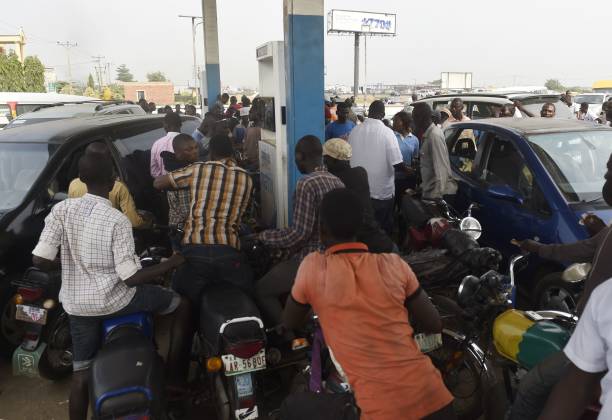
Fuel and cooking gas prices have been reduced in Fiji from today following a fall in global oil prices, bringing relief to households, transport operators and businesses.
The price review by the Fijian Competition and Consumer Commission (FCCC) shows that diesel recorded the biggest drop, with prices falling by between $1.19 and $1.25 per litre across the country.
Under the new pricing, a litre of diesel will cost $3.39 in areas of Viti Levu located within three kilometres of a public road, although prices will differ in other locations.
Unleaded petrol prices have also been reduced by 49 to 52 cents per litre, while kerosene prices have fallen by about 42 cents per litre in most parts of the country.
From today, a litre of unleaded petrol will sell for $3.44, while kerosene will cost $2.71 per litre.
Cooking gas has also become cheaper, with a 4.5kg LPG cylinder now priced at $17.17, while a 12kg cylinder will cost $45.80. Bulk LPG will sell for $3.53 per kilogram, while auto gas will cost $2.42 per litre.
FCCC Chief Executive Officer, Senikavika Jiuta, said the commission had closely monitored international market trends and developments in the Middle East before approving the new prices.
Jiuta said the agency wanted consumers to benefit from lower global fuel prices while ensuring confidence in the country’s fuel supply.
She added that “every reduction in fuel and LPG prices provides welcome relief for families, transport operators and businesses.”
According to her, lower fuel costs can make a real difference to household budgets and operating costs, adding that consumers are beginning to benefit from improving international market conditions.
The FCCC attributed the latest price cuts to improving global market conditions following progress in ceasefire negotiations and peace talks in the Middle East, which have eased pressure on international fuel prices after months of volatility.
However, the commission cautioned that global fuel markets remain vulnerable to geopolitical developments and warned that prices could continue to fluctuate as the global energy market recovers.