




















Food prices in Nigeria have continued to increase in recent months, putting pressure on many households. According to the National Bureau of Statistics, food inflation remains one of the biggest economic challenges facing Nigerians today.
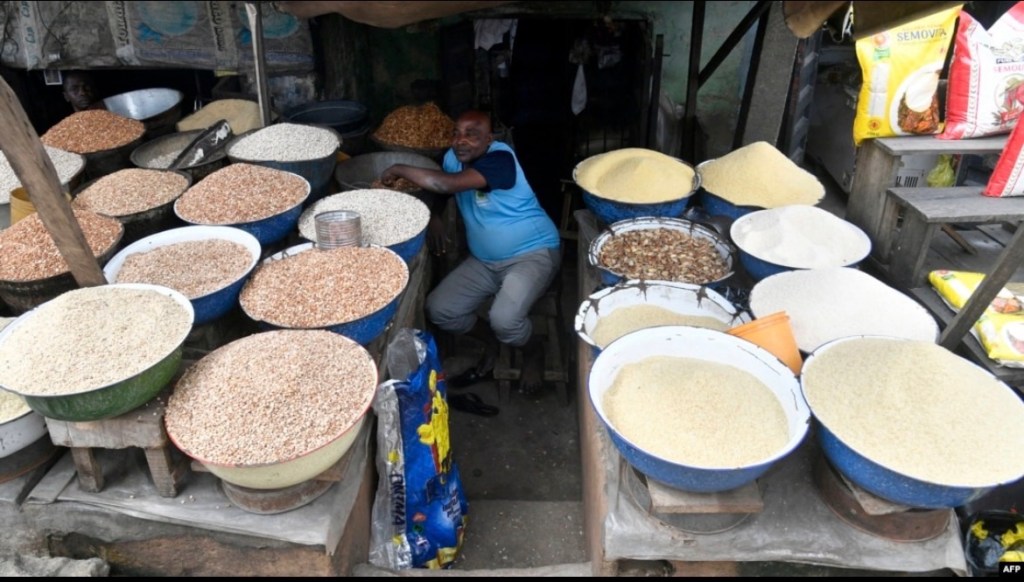
Across markets in Lagos, Abuja, and other major cities, the cost of essential food items such as rice, beans, tomatoes, and cooking oil has risen sharply. Many families say they now struggle to afford basic meals.
Experts say several factors are responsible for the rising prices. These include high transportation costs, fuel price increases, insecurity in farming areas, and the weakening value of the Nigerian currency.
Farmers in northern Nigeria have also reported difficulties accessing their farms due to security concerns, which has reduced food production.
According to the National Bureau of Statistics, food inflation has remained above 30 percent in some months. As a result, many Nigerians are changing their spending habits. Some families have reduced the number of meals they eat each day, while others are switching to cheaper food options.
The Nigerian government says it is taking steps to address the problem. The Federal Ministry of Agriculture and Rural Development has introduced programs aimed at supporting farmers with fertilizers, improved seeds, and financial assistance to increase food production.
However, economists say long-term solutions are needed to control inflation and stabilize food prices. They believe improving security in farming communities, investing more in agriculture, and strengthening the economy will help reduce the pressure on Nigerian households.
Despite these challenges, many Nigerians remain hopeful that government policies and improved agricultural production will help stabilize food prices in the near future.