






















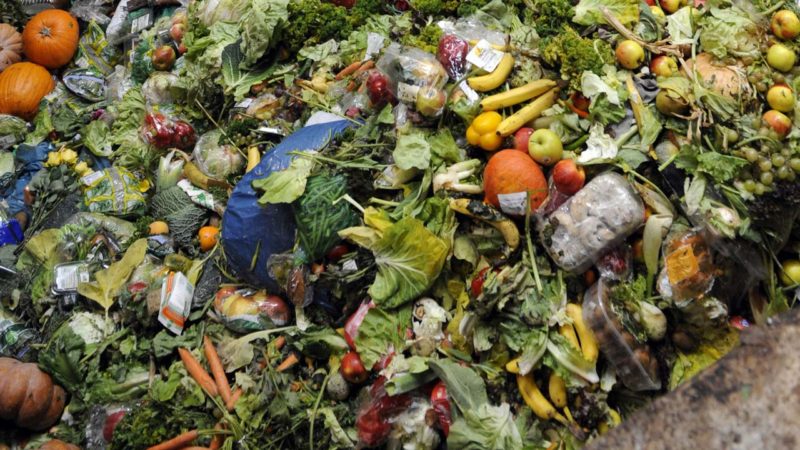
The National Agency for Food and Drug Administration and Control (NAFDAC) has raised serious concerns over the alarming rate of food wastage in Nigeria.
It revealed that as much as 60% of the country’s food output is lost due to poor handling, storage, and distribution.
The Director General of NAFDAC, Prof. Mojisola Adeyeye, made this known during a recent stakeholder engagement in Abuja.
She described the current trend as both “economically damaging and morally disturbing,” stressing that food wastage is not only a threat to national food security but also an affront to the millions of Nigerians facing hunger and malnutrition.
According to NAFDAC, the major contributors to food loss include inefficient agricultural practices, lack of modern storage facilities, poor transportation infrastructure, and weak consumer awareness about food preservation.
Perishable items such as fruits, vegetables, dairy products, and fish top the list of the most wasted food categories.
Prof. Adeyeye lamented that while Nigeria continues to grapple with rising food prices and widespread hunger, a significant portion of what is produced never reaches the consumer.
“It is a paradox that in a country where food inflation continues to soar and millions go to bed hungry, we are losing over half of our food,” she stated.
She further emphasized the agency’s commitment to working with farmers, manufacturers, distributors, and relevant government bodies to create strategic interventions that will drastically reduce food loss and enhance food safety across the country.
These include promoting innovative packaging technologies, advocating for investment in cold chain logistics, and educating the public on responsible consumption and storage practices.
NAFDAC also called on state governments and private sector stakeholders to prioritize the development of agricultural value chains and invest in rural infrastructure to curb wastage at the grassroots level.
Experts say reducing food wastage by even 10% could significantly boost food availability and stabilize market prices, with ripple effects on national nutrition and economic stability.
As the global call for sustainability gains momentum, NAFDAC is urging Nigerians to rethink their consumption patterns and adopt more efficient food management practices — not just as an economic necessity but as a national duty.