
















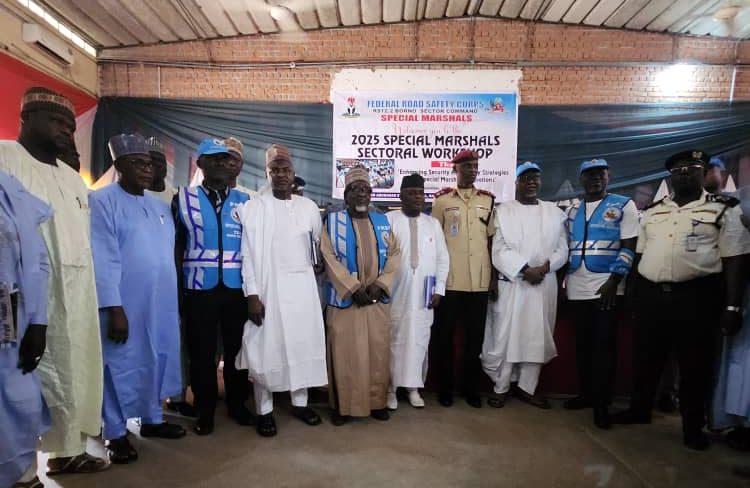
The Federal Road Safety Corps (FRSC) RS 12.2 Borno Sector Command Special Marshals on Monday held its 2025 Sectoral Workshop in Maiduguri, Borno State.
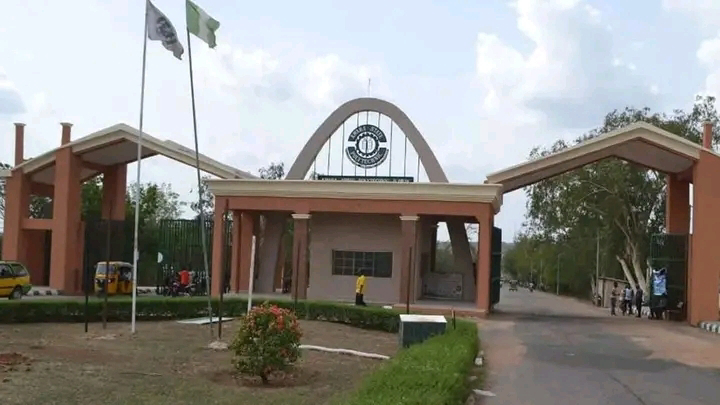
The event, themed “Enhancing Security and Safety Strategies for Special Marshals Operations,” took place at Elkanemi Hall, Ramat Polytechnic Maiduguri.
The workshop aimed to review the responsibilities of Special Marshals in Borno State and develop strategies to improve road safety in the coming years.
State Coordinator of the Special Marshals, Mohammed Dahaya, highlighted their duties and constitutional roles, which include advocacy, patrol operations, enforcement, and education.
“Our work is to save lives and properties on the roads, and we carry it out without any pecuniary interest,” he said.
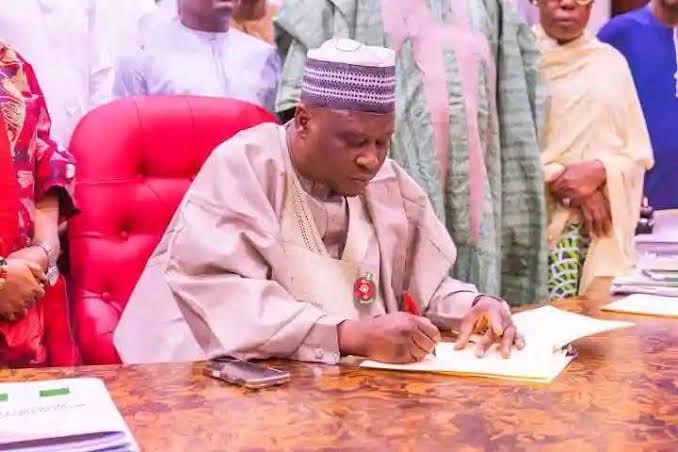
Representing Governor Babagana Zulum, the permanent secretary of administration and general services urged the marshals to extend their education efforts beyond commercial drivers.
“You should educate drivers of all vehicles, not only commercial ones, and rededicate yourselves to doing more because society is happy with your work,” he said.
He also advised the marshals to avoid operating on the outskirts of the city and focus instead on sensitizing government drivers.
According to him, “You should particularly focus on those driving government trucks, the Yellow Buckets, to avoid reckless driving and save lives and properties in the city.”
He added that such efforts would help reduce accidents, following recent crashes in Maiduguri involving government vehicles that led to deaths and property loss.
In his remarks, Corps Commander Usman A. Muhammad, the Sector Commander of FRSC RS12.2 Borno, emphasized the importance of improving security and safety strategies for Special Marshals.
“Borno State faces unique challenges, including insurgency and terrorism, which require stronger operational strategies,” he said.
Commander Muhammad noted that insurgency, terrorism, and low community trust remain major challenges to the work of Special Marshals.
“We need to build trust with local communities and equip marshals with the necessary skills and technology to perform effectively,” he said.
He suggested leveraging intelligence gathering and analysis through intelligence-led operations.
According to him, “We must foster community relationships through policing, use surveillance systems, drones, and data analytics to enhance security and safety operations.”
He added that regular capacity building, training, and simulation drills were essential for maintaining preparedness.
Commander Muhammad concluded that a comprehensive approach was required, including risk assessment, strategic patrols, training, secure communication, technology integration, and inter-agency collaboration.
The event was attended by key stakeholders, including the secretary to the state government, commissioners, and other senior officials.