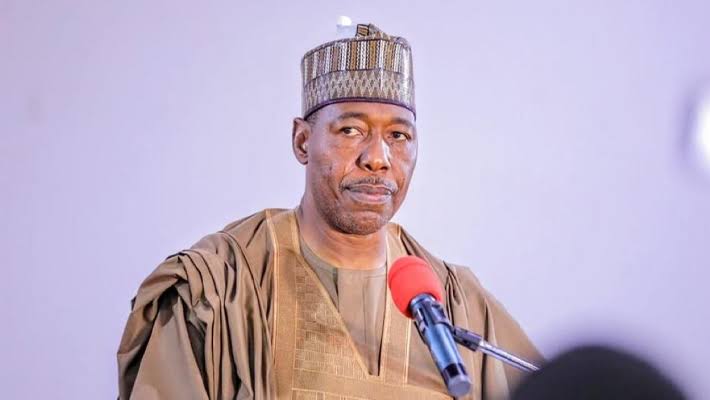






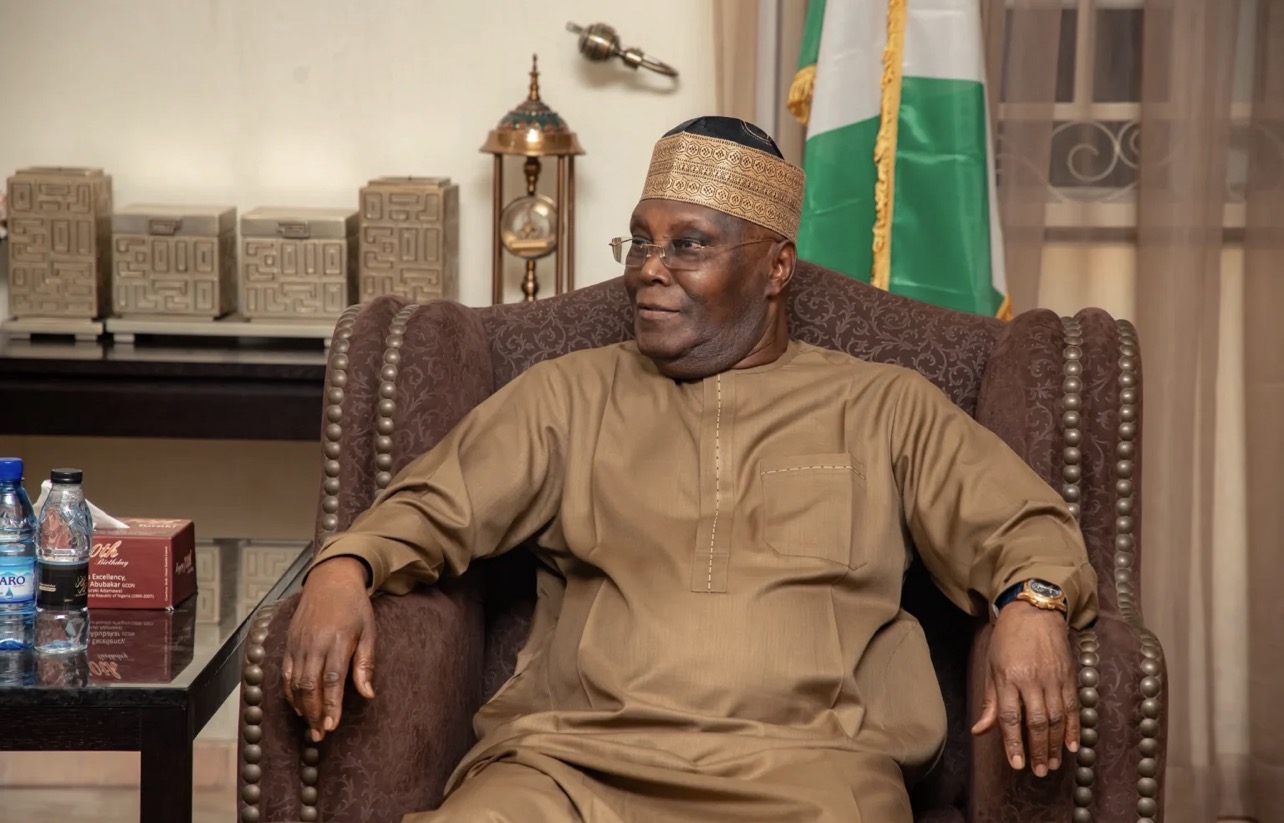






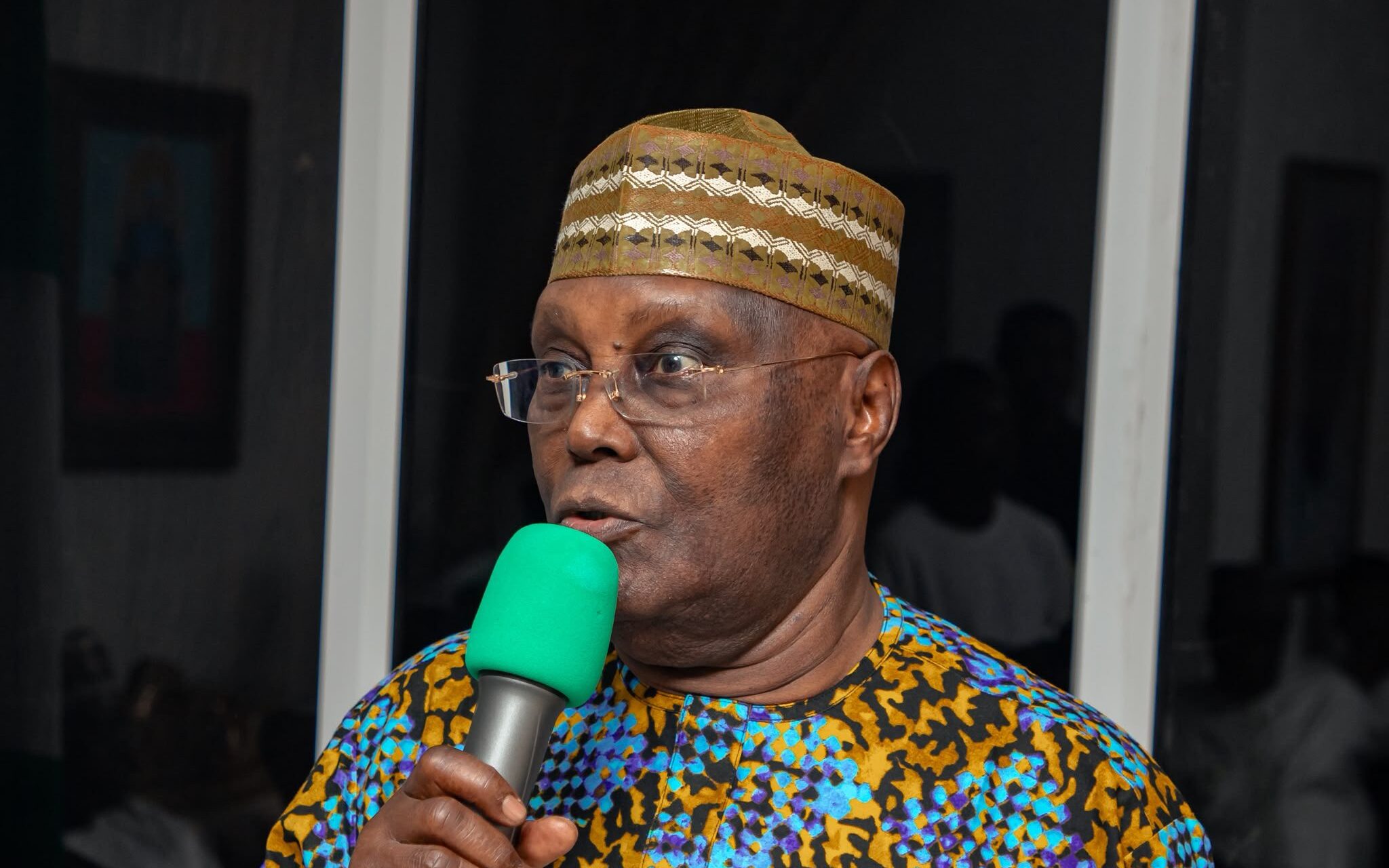
The presidential candidate of the African Democratic Congress (ADC), Atiku Abubakar, has reaffirmed his pledge to restore petrol subsidy if elected president in 2027, contradicting his spokesperson, Paul Ibe, who earlier suggested that the intervention would eventually be phased out.
Atiku, in a statement on Tuesday on his X handle, said his position on subsidy “has not changed and will not change,” insisting that he would restore what he described as targeted subsidy to cushion the economic hardship confronting Nigerians.
“On the question of subsidy, my position has not changed and will not change: I will restore it! A nation as blessed as ours has no business abandoning its citizens to hardship. Nigeria is rich enough to look after her own,” he said.
The former vice-president said the policy was designed to restore Nigerians’ purchasing power, arguing that the true strength of an economy should be judged by what citizens can afford rather than the amount of revenue generated by the government.
“I believe the wealth of a nation is not measured by how much the government collects, but by how much the money in the pockets of its people can buy,” Atiku said.
He said his administration would focus on increasing the value of wages, lowering transportation expenses for farmers and ensuring that households can afford basic food items.
“I want wages to have value again. I want farmers to move produce without transport swallowing their profits. I want families to fill their baskets without emptying their pockets,” he said.
The ADC candidate said the proposed measure would be targeted and designed to sever what he described as the connection between higher petrol prices, increased transportation costs and food inflation.
“That is why I will restore targeted subsidies and put purchasing power back in the hands of Nigerians,” he said.
His latest remarks followed comments by Ibe, who appeared on AIT on Tuesday and said the subsidy proposed by Atiku would only be temporary and gradually removed once the economy recovered.
Ibe explained that the proposed intervention would be linked to crude oil production and local refining, rather than a return to the previous subsidy arrangement.
“What he’s simply saying is that the subsidy that he is advocating will be tied to the barrel, the crude oil barrel. This is perhaps the only thing that we have in so much abundance that Nigerians have not yet benefited from,” Ibe said.
According to him, crude oil would be made available to domestic refiners at a reduced price, enabling them to produce petrol and diesel at lower costs and transfer the savings to consumers.
“The crude oil will be sold at a discounted price, subsidised to refiners, and that will enable refiners to be able to produce fuel and diesel at a cheap cost,” he said.
Ibe further stated that an independent committee would establish the appropriate crude oil price for refiners, while the government would monitor pump prices despite the deregulation of the downstream petroleum industry.
“There’ll be a window because, of course, we deregulated. You may not fix the price but you can have price monitoring to ensure that everybody aligns with what the government hopes to achieve,” he said.
However, Atiku’s latest declaration appeared to place stronger emphasis on restoring subsidy itself, rather than the gradual withdrawal outlined by his spokesperson.
He also faulted the Tinubu administration for removing petrol subsidies alongside other significant economic reforms without allowing Nigerians enough time to adapt to the consequences.
“When fuel rises, transport rises. When transport rises, food rises. When food rises, families suffer,” Atiku said.
“I will break that wretched chain that has defined our national life in the nearly four years of Tinubu’s presidency.”
He said his proposed approach would ultimately aim to strengthen the value of the naira in Nigerians’ hands while improving their economic and physical security.
“I will make the naira in your pocket worth more, make daily living affordable again, and secure our people,” he said.
Tinubu had earlier criticised Atiku’s proposal to restore petrol subsidy, describing the position as evidence of “serious ignorance on governance and economy.”