



















Social media has become an important part of everyday life for many young Nigerians, influencing how they communicate, access information, learn new skills and participate in social activities.
However, its growing role has also raised concerns about misinformation, online safety and the pressure to maintain a particular image online.
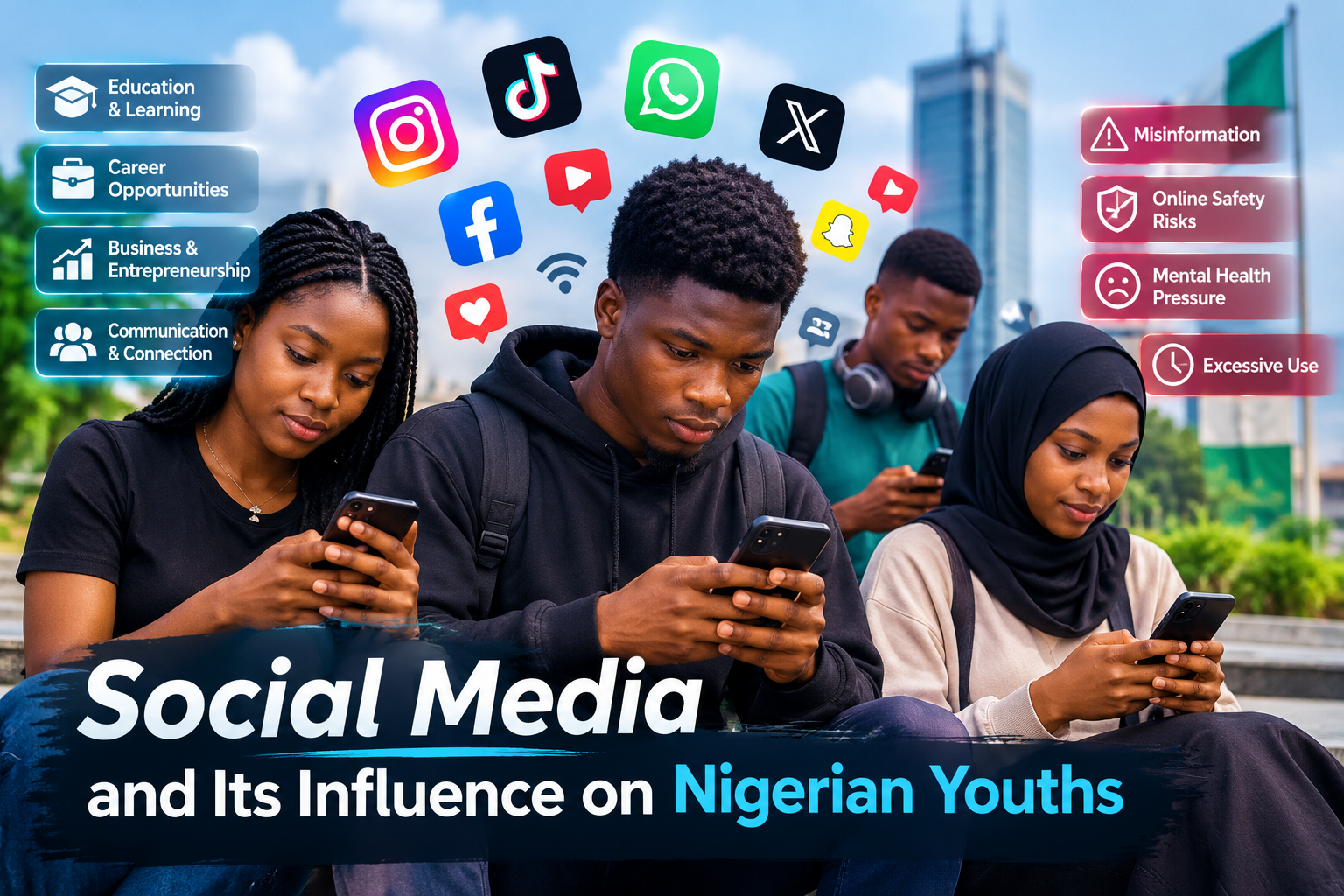
Platforms such as Facebook, Instagram, TikTok, WhatsApp and X have created opportunities for young people to connect with others, share ideas and showcase their talents.
These platforms also allow users to access educational materials, follow current affairs, promote businesses and explore career opportunities.
According to DataReportal’s Digital 2025: Nigeria report, Nigeria had approximately 38.7 million social media user identities in January 2025. The report cautions that these figures do not necessarily represent unique individuals, as one person may have multiple accounts. The figures nevertheless illustrate the scale of social media activity in the country.
Opportunities for young Nigerians
Social media has opened new opportunities for young people interested in entrepreneurship, entertainment, education and digital communication. Small business owners can advertise products online, while content creators can reach audiences beyond their immediate communities.
Students can also use digital platforms to discover educational resources, participate in learning communities and exchange information. For young people seeking employment, professional networking and online skills development can provide access to opportunities that may otherwise be difficult to find.
In addition, social media enables young Nigerians to discuss community issues, raise awareness about social challenges and participate in public conversations.
Concerns about excessive use
Despite these benefits, social media use presents challenges. Unverified information can spread quickly, making it difficult for users to distinguish credible reports from misleading content. Online harassment, scams, privacy violations and exposure to inappropriate material are also concerns, particularly for younger users.
Spending excessive time on social platforms may interfere with studying, work, sleep and face-to-face relationships. Comparisons with carefully selected images and lifestyles posted online may also create unrealistic expectations about wealth, appearance and personal success.
These risks do not mean social media is harmful in every situation. Its effects depend partly on how people use the platforms, the content they encounter and the steps they take to protect themselves online.
The importance of responsible use
Promoting responsible social media use requires digital literacy, awareness of online safety and greater attention to the accuracy of information shared online. Young users should verify information before forwarding it, protect their personal details, use privacy settings and report harassment or suspicious activities.
Parents, educators, technology companies and relevant authorities also have roles to play in promoting safer online environments and helping young people develop healthy digital habits.
As social media continues to influence communication and social interaction in Nigeria, the challenge is to maximise its educational, economic and social benefits while reducing the risks associated with irresponsible use.
The future impact of social media on Nigerian youths will depend not only on access to digital platforms but also on how effectively users, families, schools and institutions encourage informed, balanced and responsible participation online.