



















The Jigawa State Government has launched a digital tax collection platform to automate revenue generation from the informal sector, a move aimed at blocking leakages, improving transparency and boosting the state’s Internally Generated Revenue (IGR).
The initiative, unveiled by the Jigawa Internal Revenue Service (JIRS), replaces the manual collection system with a technology-driven platform that enables real-time monitoring of transactions and direct remittance into designated government accounts.
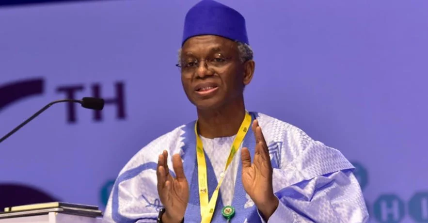
Speaking at the inauguration, the Executive Chairman of JIRS, Nasir Sabo, described the platform as a major step in the state’s ongoing tax reforms. He said the programme would also train revenue collectors on the provisions of the Tax Reform Act 2025 while strengthening revenue collection from livestock, grain and haulage businesses.
According to him, the digital platform is designed to improve accountability, eliminate revenue leakages and build public confidence in the tax system.
The reforms are already yielding results. Jigawa’s Internally Generated Revenue increased from ₦27.5bn in 2023 to ₦62.6bn in 2024, a development the agency attributes largely to the adoption of digital revenue administration.
Technology partner, etranzact International, said the platform would deploy mobile wallets, Point-of-Sale (POS) terminals and other digital tools to make tax payments easier for traders, market associations and revenue collectors across the state.
Regional Manager for the Northwest, Nwabueze Ugwu, said the company is targeting at least ₦500m in monthly revenue from the informal sector while ensuring that every transaction is transparent, traceable and paid directly into government accounts.
Representing Governor Umar Namadi, the Coordinator of the Jigawa Enlightenment and Engagement Tax Team (JEET), Muhammad Mukufi, described taxation as a social contract between citizens and government. He said improved tax compliance would provide the resources needed to invest in roads, healthcare, education, markets and security.
Also speaking, Chairman of Kiyawa Local Government Area, Abdulhamid Ibrahim, urged stakeholders to intensify efforts to eliminate revenue leakages and expand revenue sources beyond traditional market collections.
Participants at the event, including traders and revenue collectors, welcomed the new application, describing it as simple to use and capable of making tax payments faster, more transparent and more convenient.
The introduction of the digital platform reflects Jigawa’s broader commitment to using technology to strengthen public finance, improve tax compliance and generate more revenue for infrastructure and essential public services.