






















Nigeria is witnessing a troubling resurgence of Lassa fever, a fever classified by the World Health Organization (WHO) as an acute viral hemorrhagic illness — an infectious disease that is life-threatening and caused by the Lassa virus endemic to West Africa.
Health authorities across several states have reported a spike in confirmed cases, prompting urgent public health interventions and renewed calls for vigilance.
According to the Nigeria Centre for Disease Control and Prevention (NCDC), as of early August 2025, over 822 confirmed cases of Lassa fever have been reported across 21 states and 105 Local Government Areas (LGAs) with about 155 fatalities.
The most affected states include Edo, Ondo, Bauchi, and Ebonyi, which together account for over 70% of the total burden.
NCDC finds cause for rise in infections
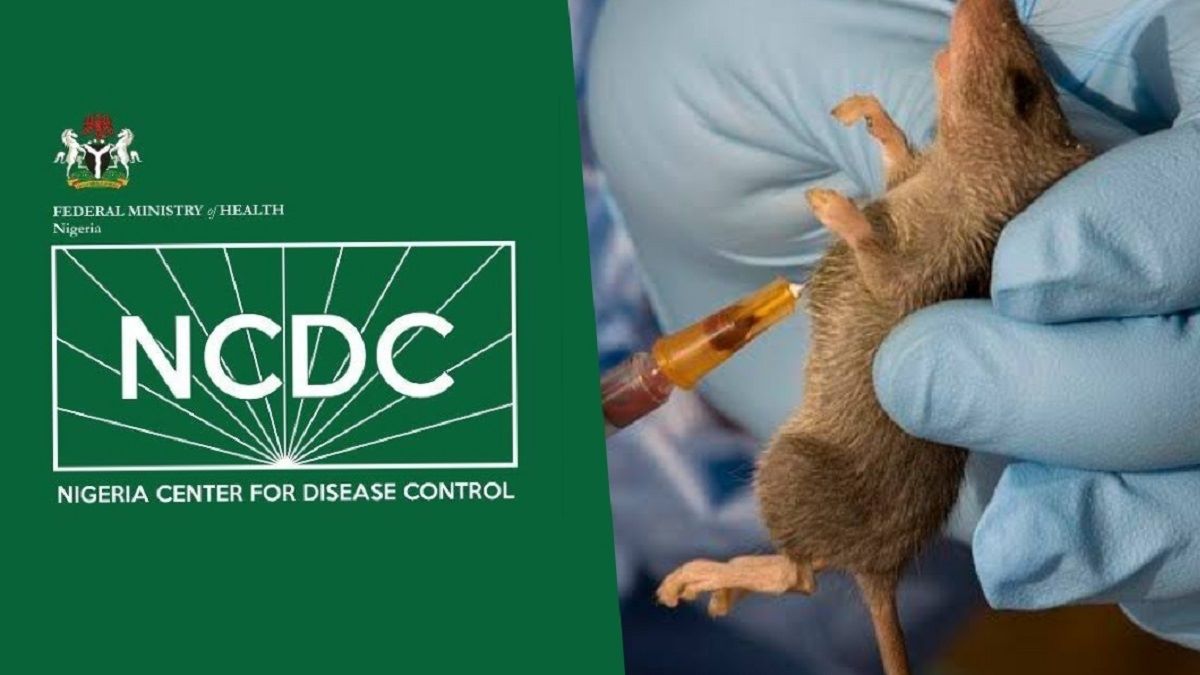
The NCDC attributes the rise in infections to increased exposure to rodent vectors, particularly in rural communities where sanitary conditions are poor.
Lassa fever is primarily transmitted to humans through contact with food or household items contaminated with the urine or feces of infected Mastomys rats.
Human-to-human transmission can also occur, especially in healthcare settings without adequate infection control measures.
Speaking at a recent press briefing in Abuja, Dr. Jide Idris, Director-General of the NCDC, emphasized the importance of early detection and community awareness.
“We urge Nigerians to maintain high levels of hygiene, store food properly, and seek immediate medical attention if symptoms such as fever, headache, sore throat, or vomiting occur,” he said.
Govts, NCDC partner to address Lassa resurgence
In collaboration with state governments and international health partners, the NCDC has activated emergency response centers in affected areas.
Medical personnel are being trained to handle suspected cases, and public enlightenment campaigns have been intensified to curb further spread.
Despite the seasonal pattern of the disease—typically peaking in the dry months between December and April—experts warn that climate variability and poor waste management may be extending the transmission window, making outbreaks less predictable.
Nigeria continues to battle multiple public health challenges, and the recent Lassa fever spike highlights the need for sustained investment in disease surveillance, laboratory capacity, and community health education.
The public is advised to avoid self-medication and instead report symptoms early to healthcare providers.
The government has reassured citizens that necessary medications and treatment protocols are in place.
Lassa fever was first identified in Nigeria in 1969, and despite decades of medical research, no widely approved vaccine exists. The disease remains a significant threat, particularly in rural communities where awareness and access to medical care remain limited.