























In the high-stakes machinery of governance, a state’s megaphone is never merely a tool for broadcasting press releases; it is the vital bridge connecting an administration’s soul to the public.
When an administration realises its primary voice generates friction rather than clarity, recalibration becomes inevitable.
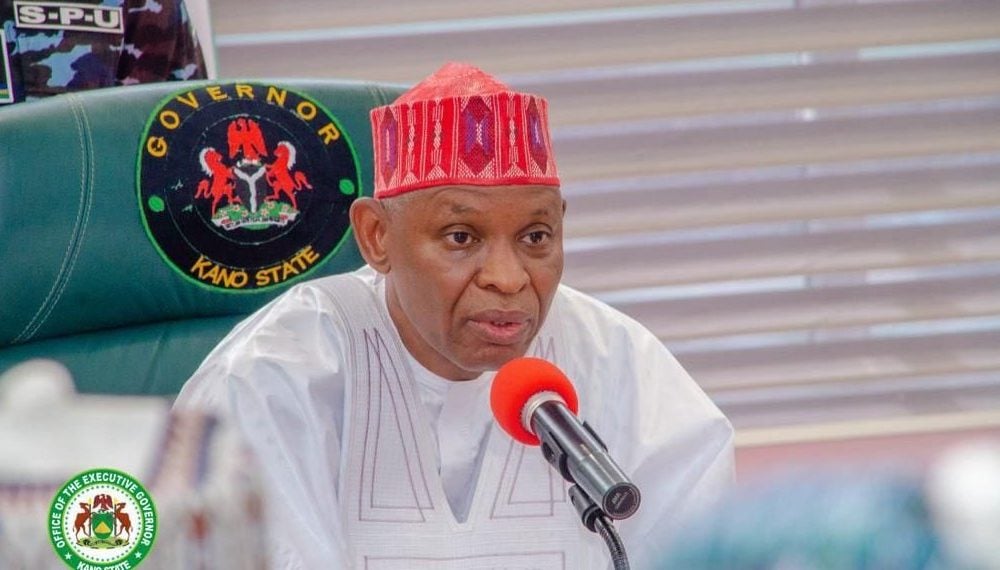
Recent development in Kano State administration involving high-profile redeployments, characterising sub-nationals from superior Ministries, Departments, and Agencies (MDAs) such as Information, Commerce, and Education down to smaller and more confined MDAs, serve as a classic textbook study in political gravity. To the casual observer, cabinet reshuffles are often brushed aside as routine administrative housekeeping. But beneath the surface veneer of “moving things around,” this particular switch speaks volumes. It lays bare a gradual political sidelining, a soft demotion designed to ease an underperforming strategist toward the exit door without triggering open administrative warfare.
For instance, managing information for a major sub-national government requires a delicate blend of sharp tactical communication, emotional intelligence, and deep political acuity. Information MDAs are the nerve center of public perception. When the occupants of these offices rely on jarring rhetoric, poor media framing, or a heavy-handed, ill-professional style that constantly puts the government on the defensive, the administrative cost becomes too high to bear.
Moving an official from the commanding heights of the state’s media fortress to a more confined sector is rarely an upgrade. In political architecture, it is a deliberate demotion disguised as a lateral redeployment. It strips the individual of state-wide microphones, regular press spotlight, and core policymaking influence, replacing them with a specialized sector that, while important, functions here as a polite political Siberia. It signals to both insiders and the public that the experiment with that particular communication style has failed.
Lessons for Future Political Appointees
These unfolding political realities offer a sharp, unvarnished lesson for aspiring public servants and future political appointees who find themselves elevated to high office:
1. Capacity Over Credentials: Holding a title or boasting a background in the third sector does not automatically translate to competence in state-level public communication. Theoretical knowledge crumbles quickly when faced with the fierce realities of managing political optics under public scrutiny.
2. Intellectual Acumen and Tact: Sustaining relevance in a high-profile portfolio demands intellectual flexibility. An appointee must understand timing, narrative framing, and the art of persuasion. Crude or unpolished communication styles inevitably backfire, turning a supposed defender of the government into its primary liability.
3. The Danger of Misalignment: When an appointee loses touch with the administrative rhythm and temperament of the principal, the countdown to political displacement begins. A megaphone should amplify the government’s achievements, not manufacture avoidable crises.
Thus, the recent redeployments characterizing MDAs at sub-national levels serve as a stark reminder that power is transient and performance matters.
For those entrusted with shaping public trust, the writing is always on the wall: adapt with sophistication, or watch the microphone get handed to someone else while you are quietly shown the path to the sidelines.
Mohammed Bello is a Development Research and Policy Specialist. He writes via: mohammed.bello@afri-cird.org