




















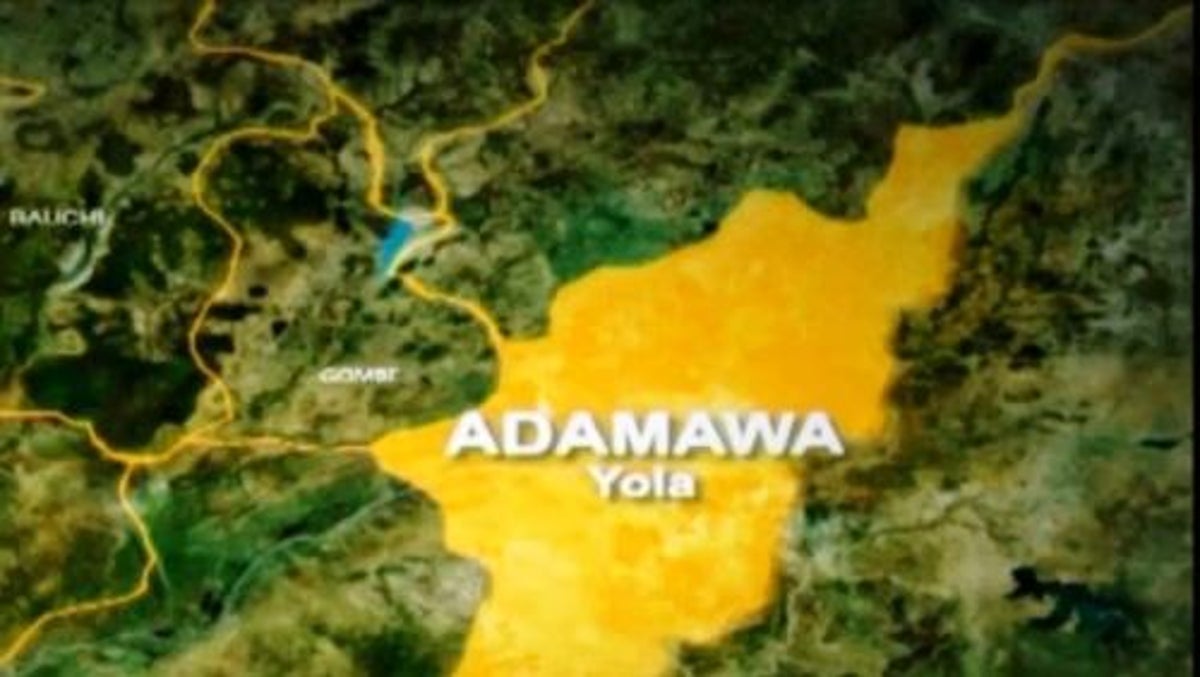
The federal government has launched laboratory investigations to uncover the cause of a mysterious flesh-eating disease that has claimed seven lives in Malabu, Adamawa State.
Dr. Adesigbin Olufemi, Acting National Coordinator of the National Tuberculosis, Buruli Ulcer and Leprosy Control Programme, confirmed the development in an interview in Abuja.
According to him, as of September 10, there were 67 confirmed cases, with eight patients undergoing surgical treatment at the Modibbo Adama University Teaching Hospital (MAUTH), Yola.
“These are undergoing surgical treatment with the support of the government,” Olufemi said, stressing that coordinated efforts were underway to contain the outbreak.
The illness typically begins as a boil, bursts, and then gradually destroys the flesh, sometimes extending damage to the bone. While the exact cause remains undetermined, experts suspect Buruli Ulcer.
“This tropical disease is still under investigation for confirmation,” Olufemi explained. He added that Buruli Ulcer is caused by Mycobacterium ulcerans, a bacterium often found in swampy and stagnant river environments.
“Up till now, nobody is sure exactly how it is transmitted. Some theories suggest insects like water fleas or mosquitoes may inoculate individuals when they bite,” he noted.
Olufemi commended the Adamawa State Government for its quick response, supported by federal agencies and partner NGO REDAID, which arrived in the affected community on September 14. Patients with mild symptoms are being treated in local health centres, while severe cases have been referred to specialised hospitals.
He also emphasised the importance of sensitisation, noting that some residents initially attributed the disease to witchcraft, delaying timely medical treatment.
“One of the things that is very important, and that’s what we are doing, is to continue to create awareness,” he said, urging residents to seek early medical care.
Malabu, a remote community about two hours from Yola with poor road access, has faced logistical challenges in receiving swift medical support. Olufemi underscored that long-term solutions require not just medical treatment but also clean water and improved sanitation.
“People will not need to go to those rivers to fetch water if they have pipe-borne or borehole water around them. That way, they are less exposed,” he explained.
He assured the public that both federal and state governments, alongside health partners, remain committed to patient care and stopping further spread.
The World Health Organisation classifies Buruli Ulcer as one of the world’s most neglected tropical diseases, primarily affecting rural, riverine populations with limited healthcare access.