



















A nation’s ultimate wealth does not lie in its oil or physical infrastructure, but in its human capital. True national development is impossible without robust human capacity building, a metric that begins and ends with the depth of a society’s reading culture and its commitment to continuous learning.
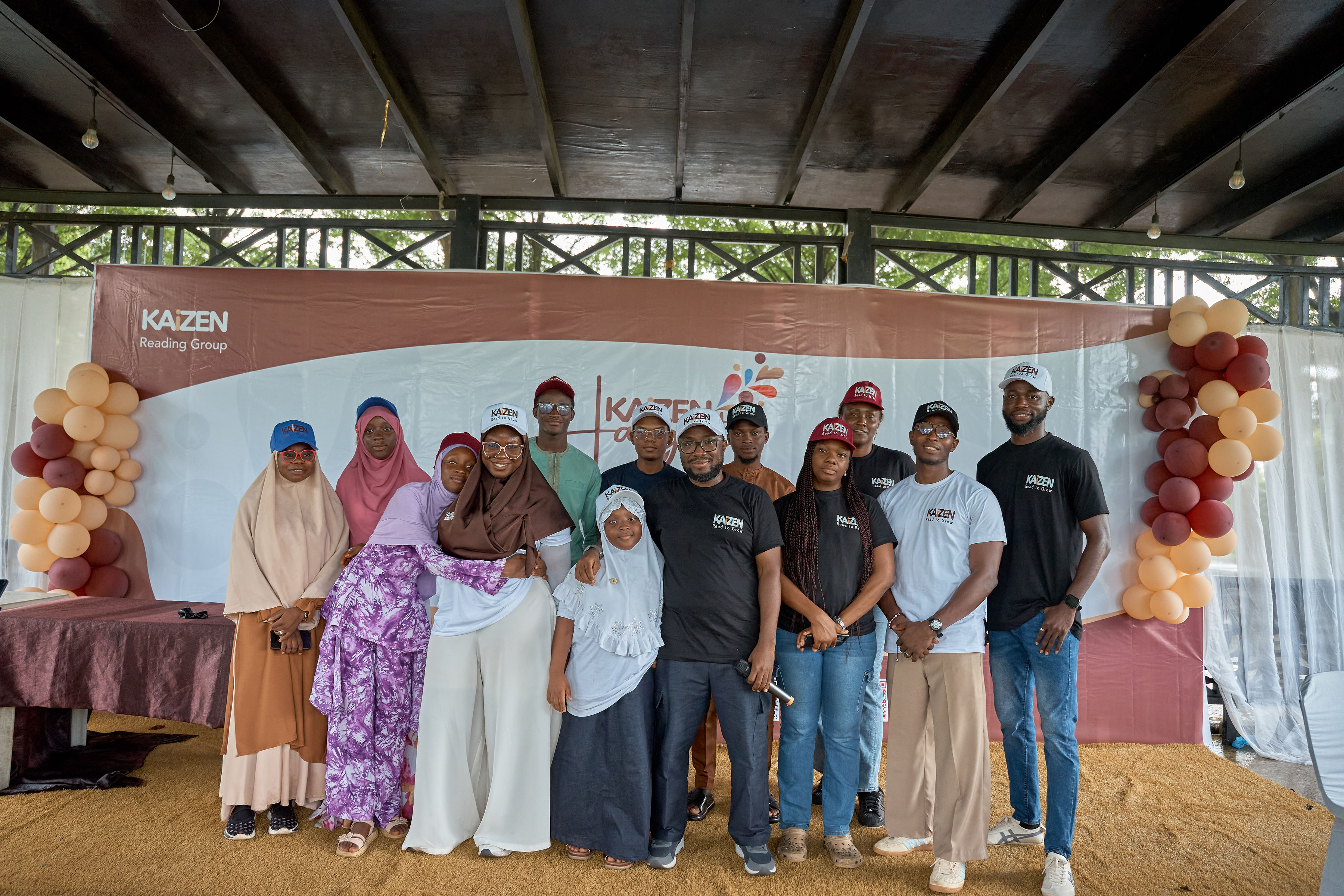
This critical connection took center stage in Lagos at the Annual Kaizen Hangout. Hosted under the theme “Read To Grow,” the event served as a powerful reminder that an expanded mind is the foundational baseline for economic and social progress. By bringing together literary enthusiasts, the gathering highlighted how grassroots reading communities are actively fueling the intellectual capacity required to move the nation forward.
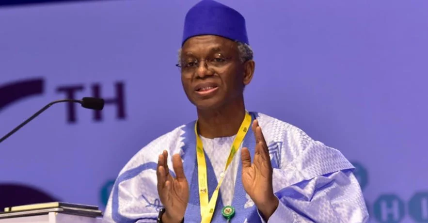
A key highlight of the hangout was a keynote address delivered by Mr. Afeez Ramon of the Nigerian Exchange Group (NGX). Ramon challenged the audience to place a high premium on good reading habits, warning that society is currently “swamped” by a relentless influx of shallow information across digital channels. This constant fragmentation of attention has made sustained reading incredibly difficult.
Ramon argued that the stakes of giving in to this digital noise are far too high.
“Classrooms may close, but learning must continue for life through reading,” Ramon stated, emphasizing that true education cannot simply end at graduation.
He pushed back against a purely academic view of literacy, noting that reading is meant to develop the holistic human being rather than act as a mere tool to pass examinations. Comparing the brain to a muscle, he warned that without continuous engagement and rigorous text, the mind faces cognitive atrophy.
To practicalize this journey, Ramon strongly advocated for reading biographies and expansive literature that pull readers out of their immediate bubbles and introduce them to entirely new worlds. His address highlights a sobering reminder of the ultimate cost of intellectual complacency, noting that, “The man who does not read has no advantage over the man who cannot read.”
A recurring thread throughout the day was the direct link between a sharp mind and macro-level progress. Ramon noted that “great achievements rarely emerge from shallow minds,” positioning robust human capacity development as the single most vital resource for Nigeria’s future. Because an educated, critical-thinking populace consistently produces tangible socioeconomic value, reading acts as a quiet infrastructure for national growth.
This philosophy aligns seamlessly with the structural vision of the Kaizen Reading Group. Marking the club’s second anniversary since its founding on July 12, 2024, group coordinator Kazeem Lawal shared the foundational blueprint of the organization.
According to Lawal, the group was built to cultivate an inspired, ethically grounded community of passionate readers capable of contributing positively to human growth. To achieve this, the club maintains a disciplined operational rhythm, including its signature weekly book reviews held every Saturday at 7:30 p.m. To date, the group has systematically read and analyzed five or six major books together, transforming casual readers into analytical thinkers.
The grassroots philosophy championed by the Kaizen Reading Group finds strong validation in contemporary academic literature. The reading club’s advocacy heavily mirrors the frameworks published by the National Council for Adult Education in the 2025 edition (Volume 29) of its journal.
In their landmark paper, researchers Dr. Rachael Ajayi and Daniel Kadiri of the Lagos State University of Education posited that continuous, lifelong learning is not a luxury, but a critical prerequisite for sustainable community development and poverty alleviation.
The study argues that institutional classrooms are only the beginning. For true national development, individuals must systematically engage in learning beyond formal settings. According to the researchers, this ongoing intellectual development empowers both individuals and broader communities to actively confront and overcome deep-seated structural challenges, such as systemic inequality, hunger, exploitation, violence, and inadequate healthcare access.
By taking books out of isolated spaces and bringing them into a shared public forum, groups like Kaizen are effectively operationalizing this academic theory.
Once the deep conversations had run their course, the hangout took on a lighter tone, with everyone focusing on building genuine connections.
The atmosphere transformed into a lively social space where participants spent the afternoon networking, playing interactive games, and sharing food and drinks. As one of the participants at the hangout, Sawdah Adeyeye, puts it in a post-event review via LinkedIn, “As someone who genuinely loves books, being at Kaizen Reading Group Second Anniversary × Maiden Hangout felt like being exactly where I was meant to be.”
“I laughed, I connected with amazing people, I learned, and most importantly, I left with an even deeper love for reading,” she said.
By blending rigorous mental conditioning with genuine community, the Kaizen Reading Group wrapped up its second year by proving that a nation’s brightest future is built one page, and one conversation, at a time.