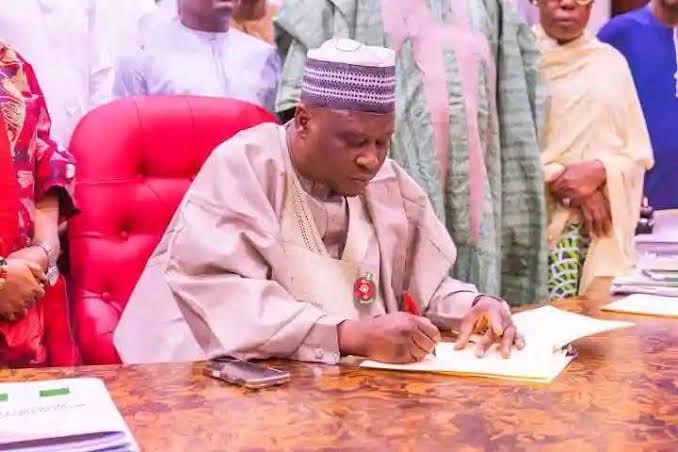





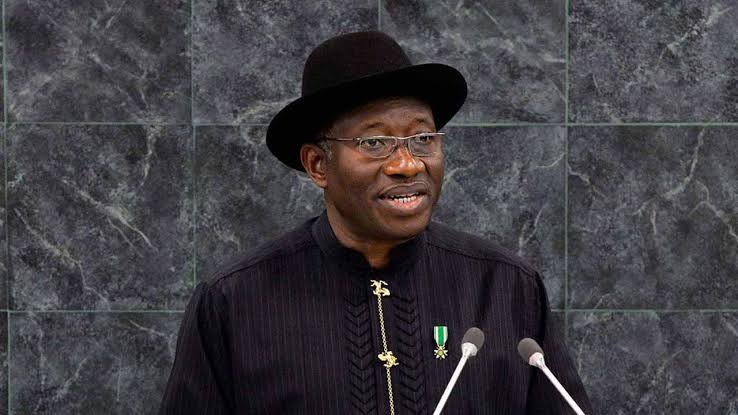






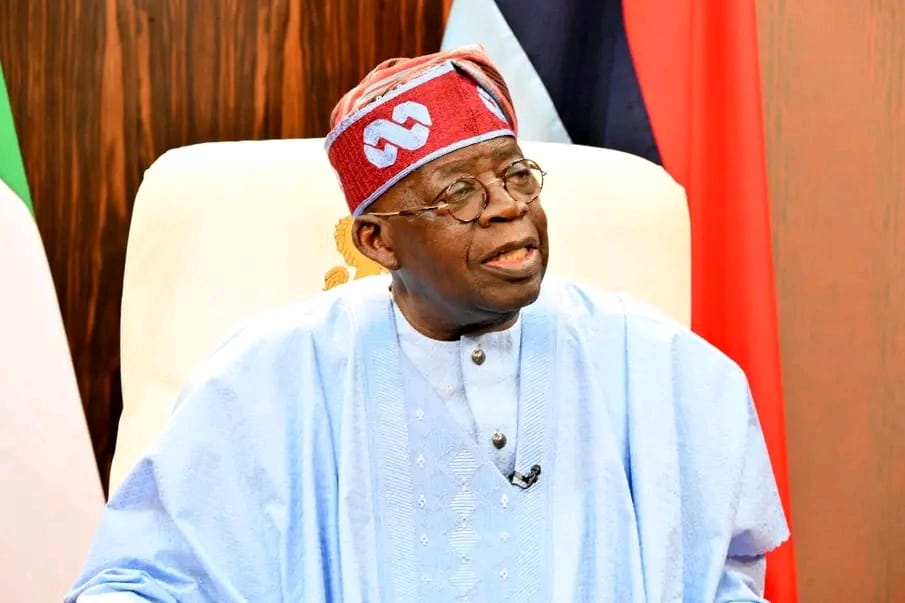
President Bola Ahmed Tinubu says Nigeria has faced decades of economic mismanagement, insecurity, and underdevelopment but is now on the road to recovery as his administration’s tough reforms begin to show results.
In his Independence Day broadcast on Wednesday, marking 65 years since Nigeria gained freedom, Tinubu admitted that he met a “near-collapsed economy” when he took office in May 2023.
He said the country was crippled by decades of fiscal distortions, wasteful fuel subsidies, multiple exchange rates, poor infrastructure, and declining industries.
“Our roads were broken, our power supply was inadequate, our schools and hospitals were underfunded, and our industries were struggling to compete,” Tinubu stated.
He also noted that security had deteriorated, with terrorism in the Northeast, separatist violence in the Southeast, and banditry in the Northwest forcing many Nigerians from their homes.
Difficult Choices and Bold Reforms
Tinubu said his government faced a choice between continuing with failed policies or taking difficult steps to save the nation.
“We chose reform over complacency,” he said.
His administration ended fuel subsidies, unified the exchange rate, and redirected public funds to education, healthcare, infrastructure, and social support.
“Ending subsidies and removing multiple exchange rates were painful, but they stopped corruption and freed up resources for the people,” he explained.
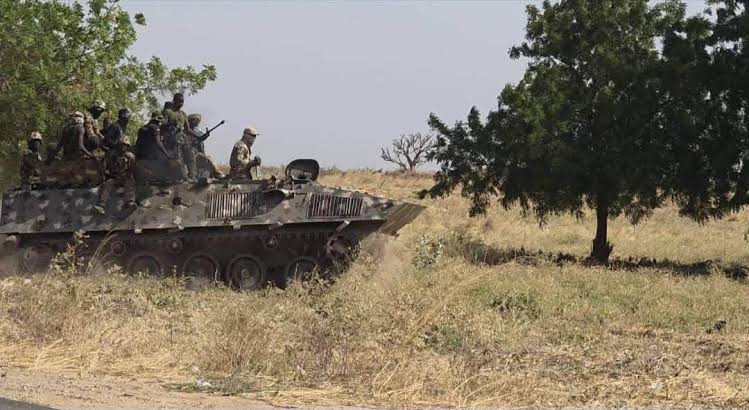
On security, he said the government strengthened the armed forces and improved intelligence operations to combat terrorism and violent crime.
“Our soldiers are winning battles on multiple fronts,” Tinubu noted.
“Peace has returned to hundreds of communities, and thousands of displaced people have gone back home.”
Signs of Progress Emerging
Tinubu said the country had “turned the corner” and was now seeing measurable improvements in the economy.
He reported that the GDP grew by 4.23% in the second quarter of 2025, the fastest growth in four years.
Inflation dropped to 20.12%, the lowest in three years, signaling that reforms were beginning to work.
The president highlighted 12 major achievements, including record non-oil revenue exceeding ₦20 trillion by August.
Debt service costs fell sharply, with the debt service-to-revenue ratio dropping from 97% to below 50%.
Nigeria’s foreign reserves rose to $42.03 billion, the highest level since 2019.
The country recorded trade surpluses for five consecutive quarters, and non-oil exports now account for 48% of total trade.
Oil production increased to 1.68 million barrels per day, and Nigeria refined petrol domestically for the first time in 40 years.
The Naira stabilized, the gap between official and parallel markets narrowed, and ₦330 billion was disbursed to eight million vulnerable households.
Major infrastructure projects are underway, including the Kano-Katsina-Maradi and Kaduna-Kano rail lines and the Lagos-Calabar Coastal Highway.
Empowering the Next Generation
Tinubu described Nigerian youth as the nation’s greatest strength and promised continued support to help them thrive.
The NELFUND student loan program has supported over 510,000 students across 228 institutions.
The Credicorp initiative has provided ₦30 billion in affordable loans for housing, solar power, and digital devices.
YouthCred has given credit support to National Youth Service Corps members, while the iDICE program is investing in technology and the creative industries.
Hope Beyond Hardship
Tinubu acknowledged that Nigerians are still struggling with high prices and rising living costs.
He said these hardships are temporary and necessary to prevent the country from falling into deeper crisis.
“Our success will not be measured only by statistics but by food on our tables, quality education, reliable power, and safe communities,” he said.
He urged Nigerians to produce more locally, pay their taxes, and support domestic industries.
“Let us be a nation of producers, not just consumers,” Tinubu said.
Tinubu: “Let us put Nigeria first”
As the nation celebrates its 65th anniversary, Tinubu called for renewed faith in the country’s potential.
“With Almighty God on our side, the dawn of a new, prosperous, self-reliant Nigeria is here,” he concluded.
“Happy Independence Day, and may God bless the Federal Republic of Nigeria.”