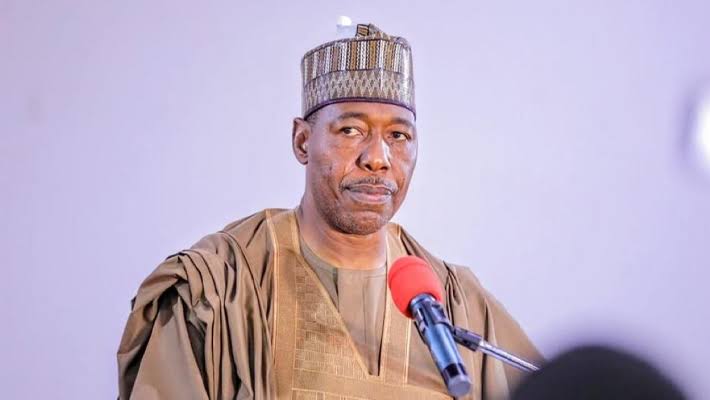














Rabiu Kwankwaso, former governor of Kano, is set to leave the African Democratic Congress (ADC) for the Nigeria Democratic Congress (NDC) next week, according to the Kwankwasiyya movement.
Habibu Mohammed, spokesperson of the Kwankwasiyya movement, disclosed on Friday night that the move followed a unanimous endorsement by key stakeholders.
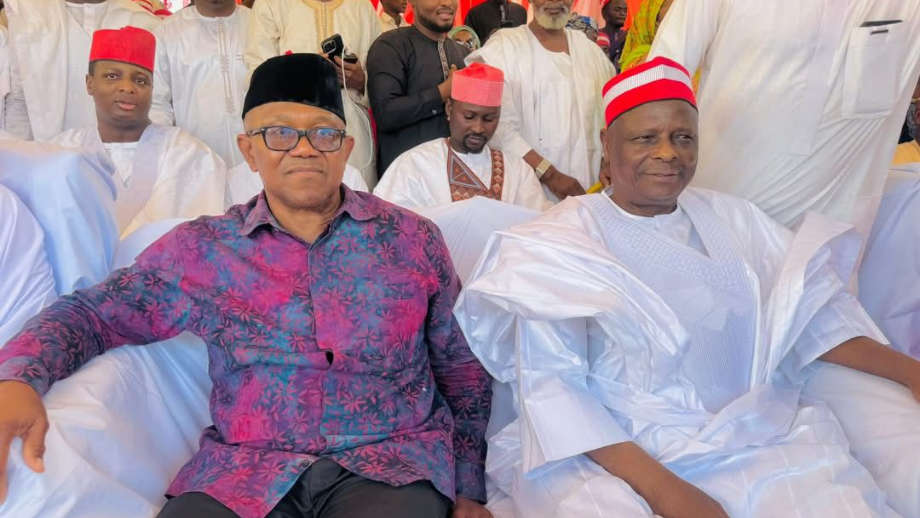
Mohammed stated that talks with the NDC are “about 90 percent” complete, with only a few outstanding issues remaining, noting that the former governor and Peter Obi, 2023 presidential candidate of the Labour Party (LP), are expected to join the NDC on Monday or Tuesday.
“I believe him, Peter Obi, and some others will be joining the NDC,” Mohammed said.
Mohammed explained that representatives of stakeholders from all 44 LGAs in Kano met at Kwankwaso’s residence on Friday around 3:30pm to consider available options and eventually reached a unified decision.
“The stakeholders have unanimously given him the go-ahead to move to the NDC,” he said. Kwankwaso, he added, is currently in Kano and is expected back in Abuja by Sunday ahead of the planned defection.
ADC crisis shapes decision
The decision is largely driven by the ongoing leadership crisis within the ADC.
On Thursday, the supreme court nullified the controversial status quo ante bellum order in the ADC leadership dispute and referred the matter back to the federal high court for fresh determination, effectively reopening the contest without settling it.
Mohammed said the apex court’s judgment heightened fears about instability within the party.
“If you look at the case referred back to the lower court, it might take time. There could even be another appeal to the supreme court. It does not look feasible to stay there,” Mohammed said.
“The entire caucus voted unanimously that a better platform, not embedded in a leadership tussle, should be used.”
He added that although both the NDC and the Peoples Redemption Party (PRP) were considered, stakeholders eventually backed the NDC.
Mohammed noted that three separate cases are still pending against the ADC at the federal high court, describing the situation as uncertain.
He also cited the approaching deadline for submission of party membership registers to the Independent National Electoral Commission (INEC) as a major factor influencing the decision.
“Staying in ADC at this stage would amount to waiting for Godot,” he said.
Mohammed added that internal disagreements within the ADC, including resistance to adopting a consensus candidate, also influenced the move.
Obi’s silence after the Ibadan declaration
Since the All Opposition Political Party Leaders summit in Ibadan, Oyo state, held late last month, Obi has stayed away from subsequent ADC meetings.
It was earlier reported that the former Anambra governor was dissatisfied that zoning was not discussed at the meeting.
Obi, who has consistently pushed for zoning of the presidential ticket since joining the ADC last year, maintains that neglecting equity and power rotation undermines unity and deepens mistrust among stakeholders.
In April, supporters of Obi and Kwankwaso introduced the “OK Movement” to build support for a joint ticket involving both politicians in the forthcoming elections.
Leaders of the movement said Obi and Kwankwaso endorsed the initiative.