





















The Minister of Education, Tunji Alausa, has announced that 24 federal tertiary institutions in Nigeria are now powered by solar energy under the ‘Energising Education Project’ initiated by President Bola Tinubu’s administration.
Alausa, who spoke yesterday in Abuja, at the collaboration agreement signing ceremony with the vice chancellors of the beneficiary institutions, added that eight more universities had signed collaboration agreements to join the fourth phase of the project.
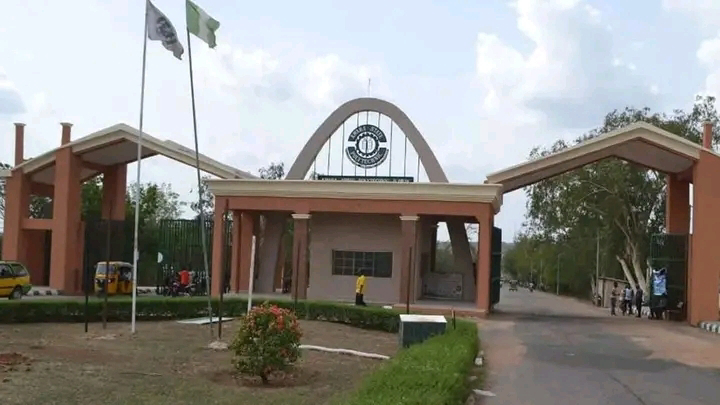
Before the signing ceremony, the minister undertook an inspection tour of the solar powered facility at the University of Abuja, now Yakubu Gowon University.
He described the project as a “new day for Nigeria” and hailed the transformative initiative under Tinubu, aimed at providing uninterrupted power supply to Nigeria’s federal tertiary institutions.
He said the projects had wide-reaching benefits for education and the economy.
According to him, the University of Abuja, which now boasts of a solar farm, comprising 6,000 photovoltaic panels, is generating approximately 3.3 megawatts of electricity daily, enough to power the campus round-the-clock.
“This project brings continuous 24-hour electricity to our institutions. It allows for increased academic activity, powers laboratories and libraries throughout the day and night and improves living and learning conditions of both students and faculty.’’
The minister emphasised the economic ripple effects of the initiative, explaining how reliable electricity stimulates business within campuses.
“Any campus is a community in itself. With constant power supply, you unleash high economic activity.”
He explained that the project was backed by the Renewable Infrastructure Fund established by President Tinubu, to support infrastructure development across sectors.
He, therefore, challenged vice chancellors on innovative and creative ways of sustaining the project, noting that before 2027, every tertiary institution would have renewable energy generation.
The minister emphasised the economic ripple effects of the initiative, explaining how reliable electricity stimulates business within campuses.
“Any campus is a community in itself. With constant power supply, you unleash high economic activity.”
He explained that the project was backed by the Renewable Infrastructure Fund established by President Tinubu, to support infrastructure development across sectors.
He, therefore, challenged vice chancellors on innovative and creative ways of sustaining the project, noting that before 2027, every tertiary institution would have renewable energy generation.
Others are Federal University Dutse; University of Benin; University of Ibadan; Obafemi Awolowo University, Ile-Ife and University of Lagos.
The Managing Director of the Rural Electrification Agency (REA), Abba Aliyu, said the project has impacted over 600,000 students and 50,000 academic staff across phases 1, 2, and 3. “This project brings continuous 24-hour electricity to our institutions. It allows for increased academic activity, powers laboratories and libraries throughout the day and night and improves living and learning conditions of both students and faculty.”