








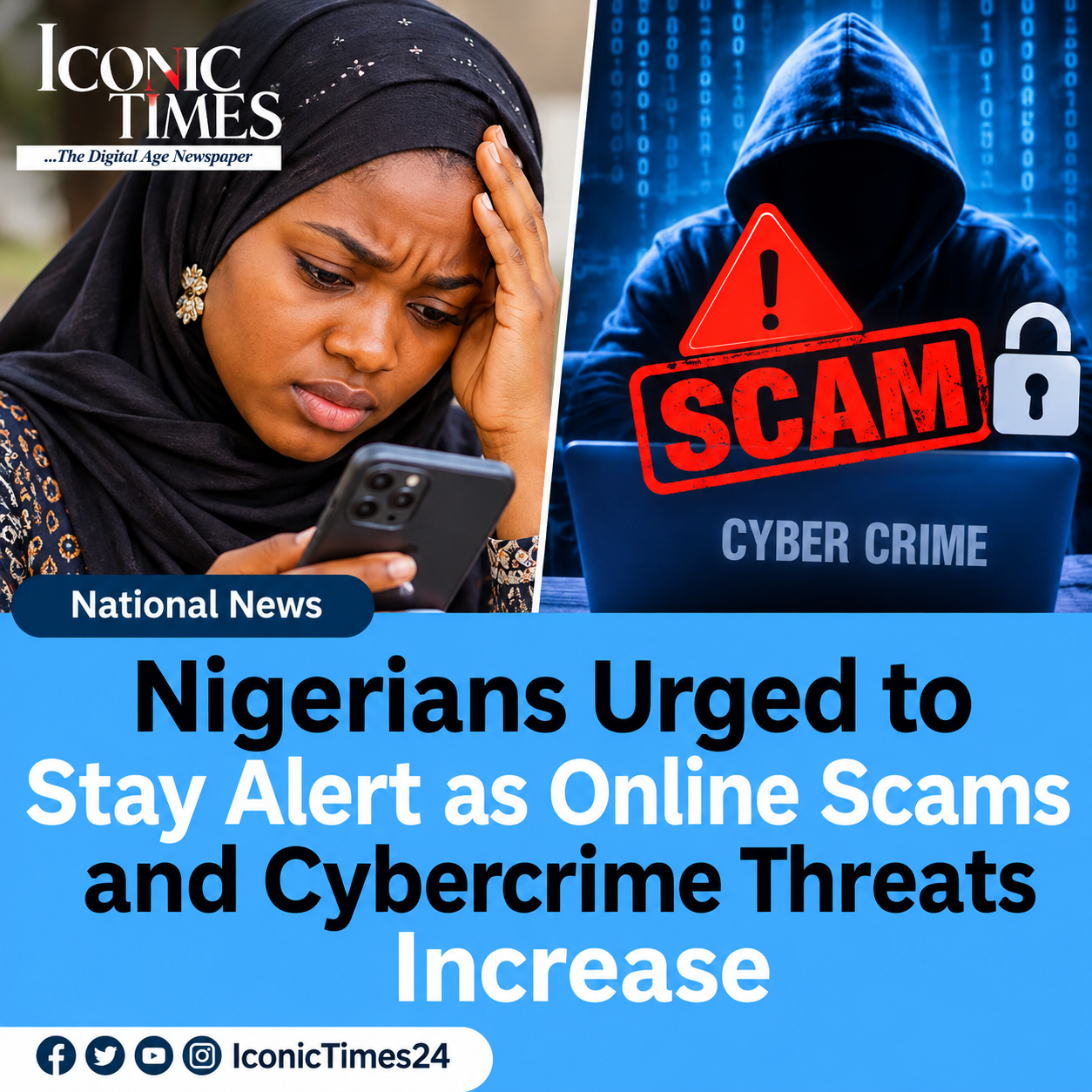
The rapid growth of social media and digital communication platforms has changed the way Nigerians access and share information. However, the spread of misinformation and fake news continues to raise concerns about the reliability of information circulating online.
Many social media users share news stories, pictures and videos without confirming their authenticity. This can lead to confusion, public panic, reputational damage and misunderstanding within society.
Media literacy has therefore become increasingly important in helping citizens identify credible information and distinguish facts from false or misleading content.
Through media literacy, individuals are encouraged to examine the source of information, check publication dates, compare reports from credible news organisations and verify images or videos before sharing them.
Journalists and media organisations also have an important responsibility to ensure that information published or broadcast to the public is accurate, balanced and properly verified.
Educational institutions, government agencies and media organisations are equally encouraged to promote digital awareness and teach young people responsible online behaviour.
As social media continues to influence public opinion, developing media literacy skills remains essential to reducing misinformation and building a more informed society.