















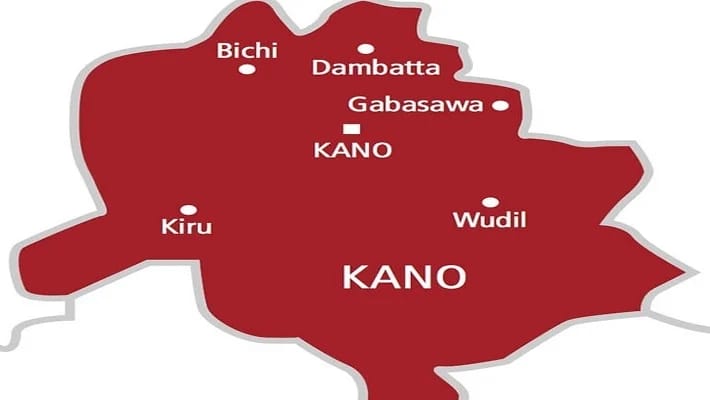
A coalition of civil society organisations in Kano State has raised alarm over what it describes as a deepening water crisis affecting both urban and rural communities, calling on the state government to take immediate and measurable action.
In a statement issued on April 20, 2026, the League of Civil Society Organisations in Kano State said the persistent shortage of pipe-borne water has escalated into a “humanitarian and socio-economic crisis,” with residents in areas such as Sabon Gari and Yankifi reportedly going decades without reliable supply.
The group acknowledged recent inspection visits by Governor Abba Kabir Yusuf to key facilities, including the Tamburawa Water Treatment Plant and Challawa Water Treatment Plant, but said conditions on the ground remain dire.
“For the average Kano resident, water is no longer a right; it is an expensive luxury,” the statement noted.
Rising cost, growing burden
According to the coalition’s findings, residents now pay as much as ₦200 for a 25-litre jerrycan of water.
For an average household consuming about 10 jerrycans daily, this translates to roughly ₦60,000 monthly—an amount the group described as unsustainable.
Women and children are said to be the most affected, spending between three to five hours daily searching for water. The group warned this could reduce school attendance among girls and limit economic activities for women.
Despite a ₦1.477tr 2026 budget, with ₦64bn allocated to water supply, the coalition said most of the state’s 22 treatment plants remain underperforming due to leakages and mechanical faults.
Health risks and global obligations
The group warned that the lack of safe water could trigger outbreaks of diseases such as cholera, typhoid and chronic diarrhoea, as residents increasingly rely on unsafe sources.
It also reminded the government of its commitments under United Nations Sustainable Development Goal 6, which mandates access to clean and affordable water for all.
“The provision of clean water is not an act of government charity; it is a fundamental pillar of the social contract,” the statement added.
Key demands and recommendations
The coalition called for a clear, time-bound roadmap for ongoing reforms, including partnerships such as the one with China Geo-Engineering Corporation.
Among its recommendations are the adoption of smart water networks to reduce wastage, decentralised solar-powered water systems, and the creation of a regulatory commission to oversee water services and curb exploitation by informal vendors.
It also urged the government to enforce stricter environmental standards along the Challawa River to reduce pollution and lower treatment costs.
The group further demanded improved transparency in the use of the ₦64bn allocation, proposing performance-based budgeting and real-time tracking of water projects to prevent mismanagement.
It also advocated for community involvement through local monitoring committees and digital reporting systems to track leaks, illegal connections and service failures.
The coalition said it is ready to support the government but stressed that urgent action is needed.
“The people of Kano cannot drink promises,” it said, urging authorities to move beyond assessments and deliver practical solutions.
The statement was endorsed by over 20 civil society leaders and organisations and copied to key government agencies, development partners, and media outlets.