
















A development policy expert has issued a strong advisory to the Kano State Open Government Partnership (OGP) Secretariat, warning that its recent actions risk undermining global standards guiding the initiative.
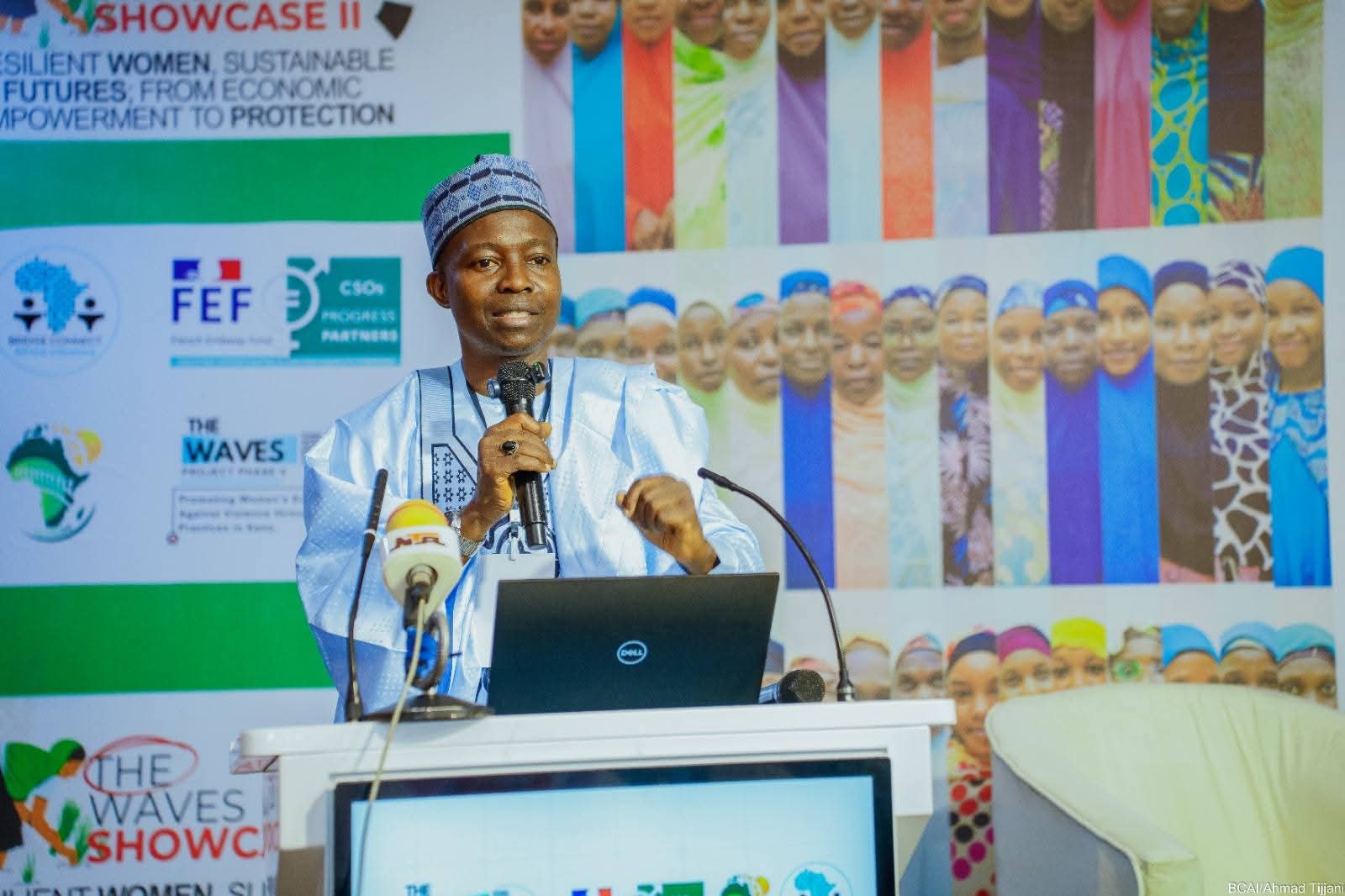
In a detailed technical note, Mohammed Bello, Chief Executive Officer of the African Centre for Innovative Research and Development (AFRI-CIRD), said the Secretariat’s move to invite Civil Society Organisations (CSOs) to apply for selection and undergo government-led screening represents a “fundamental misunderstanding” of the OGP framework.
The Open Government Partnership is a voluntary global initiative that requires governments and civil society actors to collaborate as equal partners. At the core of the model is a co-creation process where non-state actors independently organise and select their representatives.
Bello argued that Kano’s current approach—where a government ministry oversees verification and shortlisting of CSOs—contradicts both global OGP standards and Nigeria’s national OGP guidelines.
He warned that allowing the government to determine which civil society actors participate could lead to what experts describe as “state capture,” where oversight mechanisms lose independence.
“The partnership ceases to be equal collaboration and becomes an extension of the state,” Bello said.
He cited examples from countries such as Hungary and El Salvador, where attempts by governments to influence civil society selection triggered backlash and weakened OGP processes.
In contrast, he noted that Kaduna State allowed civil society groups to independently manage their own selection, strengthening credibility.
According to him, Kano risks creating what is known as a “paper steering committee”—a body that exists in form but lacks legitimacy and the ability to hold government accountable.
Bello also warned that such a process could erode trust within the civic space, discourage credible organisations, and ultimately collapse the co-creation framework.
To address the situation, he proposed a five-step reform model. This includes ending the current application system, convening an independent general assembly of civil society actors, and establishing an autonomous committee to oversee selection.
He stressed that the role of the government should be limited to facilitation, not control.
“The Secretariat must act as a neutral observer, not a gatekeeper,” he said.
The expert further recommended that civil society representatives be elected through a transparent, peer-led process and later jointly inaugurated alongside government officials to reflect equal partnership.
Bello concluded that if the Secretariat continues on its current path, the credibility of Kano’s OGP process could be severely damaged.
“The OGP is built on two independent pillars—government and civil society. For it to function, both must stand on their own,” he said.