













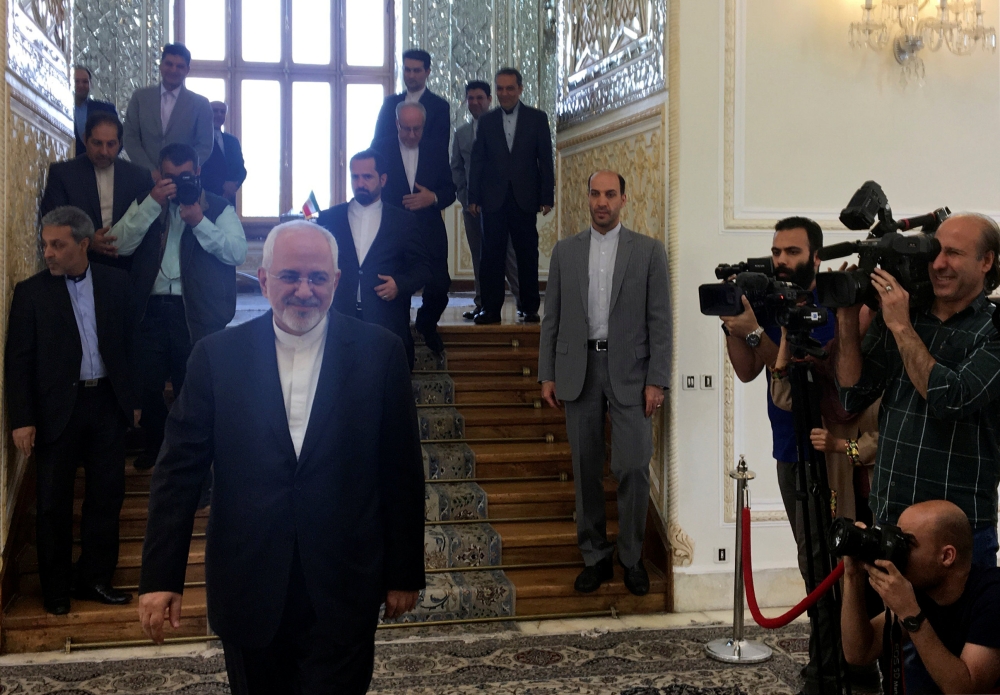
Iran’s foreign minister landed in Russia on Monday as diplomatic efforts between Tehran and Washington remained uncertain, following a wave of regional engagements and the breakdown of proposed talks in Pakistan.
Abbas Araghchi arrived in Saint Petersburg, according to a Telegram statement from Iran’s Foreign Ministry, where he is scheduled to hold discussions with Russian President Vladimir Putin.
His visit follows a stop in Oman and earlier travel to Pakistan’s capital, Islamabad, as intermediaries continue attempts to sustain dialogue between Tehran and Washington.
On Saturday, US President Donald Trump cancelled a planned Islamabad visit by his envoys Steve Witkoff and Jared Kushner.
Indicating continued backchannel activity, the Fars news agency reported that Iran had delivered “written messages” to the Americans through Pakistan, outlining key red lines, including nuclear matters and the Strait of Hormuz.
Fars clarified that the communications were not part of formal negotiations.
US outlet Axios reported Sunday that Iran had submitted a fresh proposal to reopen the Strait of Hormuz and halt the war, with nuclear discussions deferred to a later phase, citing a US official and two additional sources familiar with the issue.
Iran’s IRNA news agency referenced the report without disputing it.
A ceasefire in the US-Israeli war with Iran has largely held, though its economic aftershocks continue to ripple worldwide.
Iran’s closure of the strait has disrupted flows of oil, gas and fertiliser, driving up prices and heightening concerns over food insecurity in developing nations. Meanwhile, the United States has enforced a blockade of the waterway.
Expectations for a second round of talks in Pakistan had focused on the anticipated visit by Witkoff and Kushner, but Trump called off the trip after Iranian state television reported that Araghchi had no intention of meeting US officials there.
On Sunday, Trump told Fox News that if Iran wanted the talks, “they can come to us, or they can call us”.
Trump is under domestic pressure as fuel costs climb following Iran’s shutdown of Hormuz, with midterm elections approaching in November. Surveys suggest the conflict is unpopular among Americans.
Safe transit
When asked whether the cancellation signalled a return to hostilities, Trump said: “No, it doesn’t mean that.”
On Saturday, Araghchi held meetings with Pakistan’s army chief Asim Munir, Prime Minister Shehbaz Sharif and Foreign Minister Ishaq Dar, before travelling to Oman and then returning to Islamabad.
He subsequently departed for Russia for further discussions with senior officials, his ministry confirmed.
State media in both Russia and Iran confirmed Araghchi’s planned talks with Putin, citing officials from their governments.
Araghchi later wrote on X that discussions in Oman had centred on ensuring safe transit through Hormuz, “to benefit of all dear neighbours and the world”.
“Our neighbours are our priority,” he added.
Iran’s Revolutionary Guards stated they had no plans to end their blockade, which has unsettled global energy markets.
“Controlling the Strait of Hormuz and maintaining the shadow of its deterrent effects over America and the White House’s supporters in the region is the definitive strategy of Islamic Iran,” the Guards said on their official Telegram channel.
The United States has imposed retaliatory restrictions on Iranian ports.