













The Federal Government has announced the implementation of a policy to institutionalize the teaching and learning of sign language across all basic education schools in Nigeria.
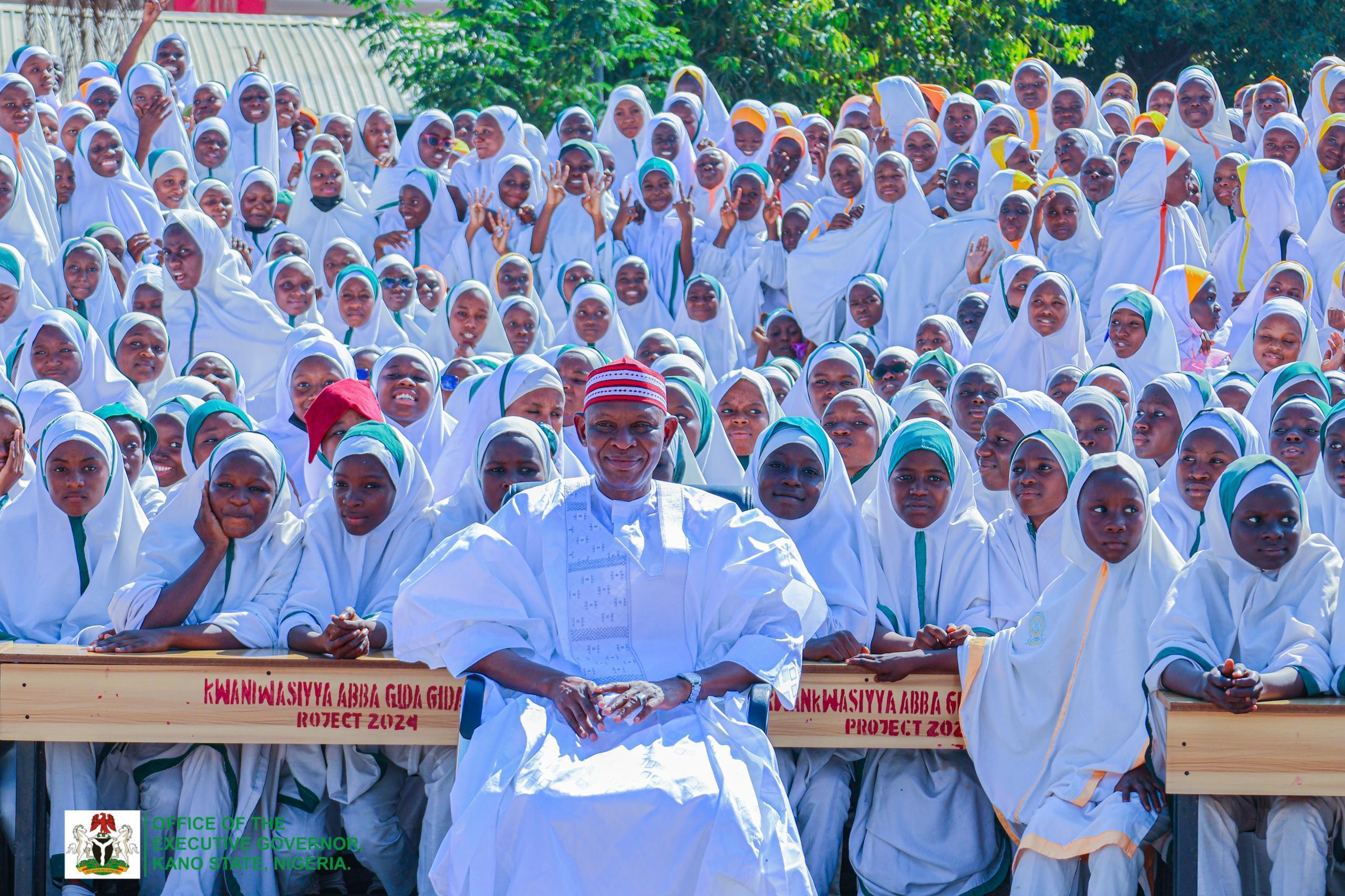
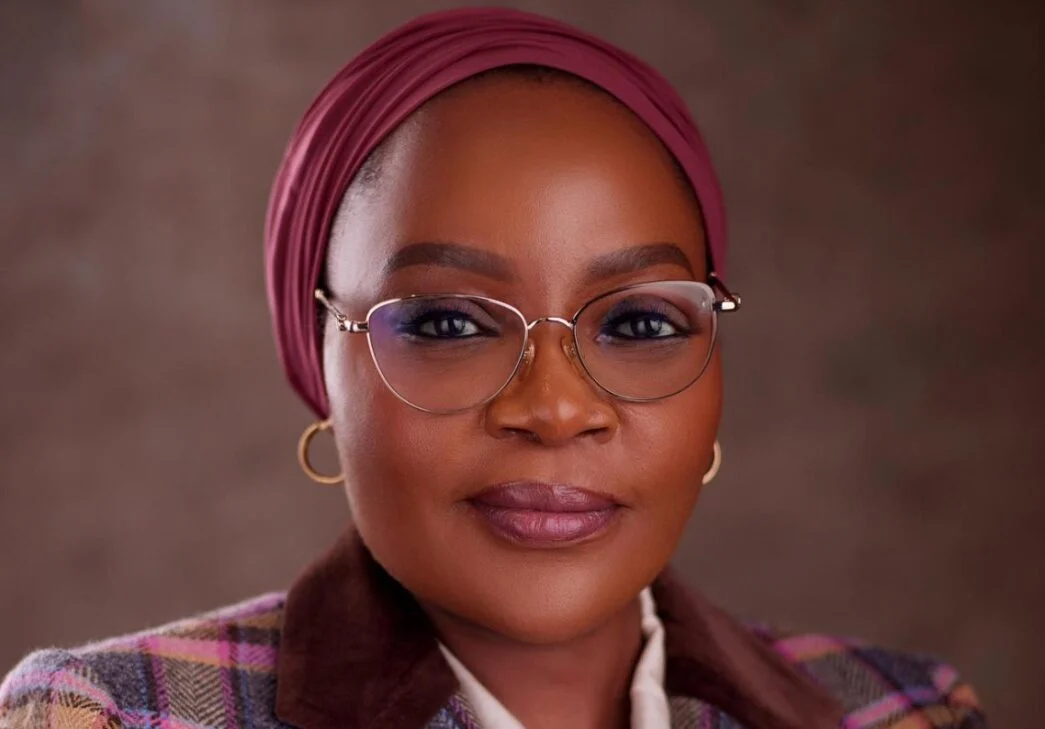
Executive Secretary of the Universal Basic Education Commission (UBEC), Aisha Garba, disclosed this on Thursday during the commemoration of the 2025 International Day of the Girl Child, themed “Lead a Change: Learn Sign Language Today.”
She reiterated the government’s commitment to inclusive education, particularly for girls, stressing that substantial investments continue to be made in their education and empowerment. Garba explained that the government recognizes education as a great equalizer, with inclusion serving as its foundation, and is collaborating with stakeholders to ensure that no child is left behind.
According to her, the theme of the celebration was a clarion call and an essential reminder that inclusive communication is not just a courtesy but a right, urging the government to ensure that every girl, including those with hearing impairments, is seen, heard, and empowered to lead change.
“We celebrate not only the potential of the girl child, but we also reaffirm our collective responsibility to amplify her voice, protect her dignity, and equip her for leadership regardless of her abilities or challenges.
“Today, we take that commitment a step further by championing the learning of sign language in our basic education schools. This does not in any way downplay challenges faced by persons living with other disabilities, but demonstrates that collectively we can make the world a better place for each other if we try.
“I would like to remind you that a policy is already in place to institutionalize the teaching and learning of sign language in all basic education schools across Nigeria.
“Imagine a country where hospitals, banks, supermarkets, airports, and indeed schools have sign language interpreters, then you will have a system without communication barriers for our hearing-impaired children. That is the vision we are working towards, one school, one change, at a time.
“Our restructuring policy makes it mandatory for schools to include ramps and other accessibility structures, ensuring that children with physical disabilities can move with dignity and ease,” she stated.
Minister of State for Education, Professor Suwaiba Ahmad, on her part, assured that President Bola Ahmed Tinubu’s administration is determined to eliminate barriers, broaden access, and guarantee that every girl, regardless of ability or background, has a voice, a place, and a chance to thrive in education and life.
“This moment reaffirms our nation’s commitment to inclusive education, to the rights of persons with disabilities, and to the expansive potential of every girl learner.
“Today, we are joined by pupils from special needs schools and regular schools, by colleagues from other ministries and heads of relevant agencies, by dedicated teachers, and by the entire UBEC family; together, we will reaffirm our shared conviction: talent does not wait for perfect conditions; it grows where opportunity, support, and belief come together,” she stated.
Media reports revealed that in recent years, sign language education in Nigeria has gained momentum, driven by efforts to promote inclusion for the deaf and hard-of-hearing. The Nigerian Sign Language system features various forms, with American Sign Language being the most commonly used in schools and by interpreters.