
















As the political horizon shifts toward the 2027 general elections, the national atmosphere grows increasingly volatile, with tensions cascading rapidly from federal arenas down to sub-national structures.
While electoral competition is a universal fixture of democratic systems, Nigeria’s emerging political subculture, particularly across Northern Nigeria, presents a deeply worrisome deviation. Of grave concern is the systematic erosion of traditional cultural values, institutional morals, profound respect, and inherent dignity by a segment of the younger generation. Often presented with political opportunities or patron-client appointments, some young actors have succumbed to power-drunk tendencies, leveraging personal insults and vicious character assassination against opponents, including elders old enough to have birthed them, all in a bid to showcase misplaced loyalty to political principals.
This descent from substantive policy debates into petty, gutter-style personal attacks represents a total rupture from the normative, cultural, and religious ethos of a truly bred Northerner, whose heritage is fundamentally rooted in Kunya (modesty), Mutunci (human dignity), and absolute respect for moral boundaries. This dangerous trend has profound, far-reaching implications and demands immediate introspection, caution, and a collective resolve to rescue our political space by reclaiming lost decorum among the youth.
Historically, Northern political tradition, even amidst fierce ideological or partisan contestations, maintained a baseline of decorum. Figures of the First Republic and subsequent eras, from the legendary Premier Sir Ahmadu Bello (the Sardauna of Sokoto) to populist leader Malam Aminu Kano and Prime Minister Sir Abubakar Tafawa Balewa, operated across deep ideological divides with rigorous intellectual engagement. Whether debating regional development, agricultural policies, or educational advancement, their discourses centered on structural progress rather than vile character assassination. Even when Malam Aminu Kano’s Northern Elements Progressive Union (NEPU) locked horns fiercely with the ruling Northern People’s Congress (NPC) led by Ahmadu Bello, political opposition was treated as a contest of developmental visions, not an excuse to abandon ancestral decorum or disrespect elders.
However, the contemporary digital and political landscape has been hijacked by a new cadre of young opportunists who treat politics as a blood sport. Rather than interrogating manifestos or demanding accountability on governance parameters such as poverty reduction, multi-dimensional security indices, and out-of-school children’s statistics, these youth-led actors populate media spaces with smear campaigns.
They trade the timeless values of Karramci (honour) for ephemeral political patronage. This phenomenon is not merely an isolated behavioural lapse; it is a systemic threat that divorces competence from leadership. When young politicians realise that sycophancy and slander provide faster lanes to relevance than intellectual rigour or policy innovation, the entire democratic pipeline is compromised.
The irony of this approach is glaring. Many of these young elements engaging in virulent attacks today were, until recently, political associates, beneficiaries, or protégés of the very individuals they now malign, often having shared the same political platforms before opportunistic defections. They forget that the political pendulum is dynamic, and today’s principal may become tomorrow’s footnote. Reclaiming decorum requires this younger generation to recognize that blind sycophancy is no substitute for authentic statesmanship.
The Immutable Law of Karma
In both African traditional worldviews and Islamic/Christian theology, the law of moral recompense, whether understood as karma, the Divine principle of retribution, or Sakayya in Northern tradition, is real and unyielding. History is replete with examples of political foot soldiers and hired megaphones who traded their integrity for temporary applause, only to be discarded or consumed by the very monster of unbridled vitriol they helped create.
In the contemporary political evolution of Northern Nigeria, we have witnessed prominent social media influencers, hired online commentators, and certain popular praise-singers who built transient careers on tearing down political actors for token patronage, only to find themselves utterly alienated or abandoned when political realignments occurred or when their former benefactors settled their differences. From the bitter fallout of past transition cycles (such as the intense intra-regional and inter-party clashes of 2011, 2015, and 2019), many young attack dogs who were deployed to assassinate characters discovered that once power changed hands or alliances shifted, they were left holding an empty bag of social capital, viewed with deep suspicion by both sides of the political divide.
True political longevity is built on character, consistency, and constructive engagement, not on the transient high of trending insults. When young politicians weaponise bigotry and disrespect, they mortgage their future political capital. An individual known primarily for dismantling relationships and assassinating characters for pay loses the moral authority to demand leadership tomorrow. Reclaiming our political future begins when youth understand that true value lies in consistency and moral steadfastness.
Why Substance Trumps Slander
For those who argue that aggressive mudslinging and personalised vitriol are the inevitable modern standards of competitive politics, global precedents offer a sobering reality check. In mature democracies, hyper-partisan strategies and toxic polarisation frequently backfire when confronted with an electorate fatigued by theatrical distraction.
A critical analysis of recent political cycles, such as major legislative and midterm elections in the United States, demonstrates that aggressive, personality-driven smear tactics and unyielding blind loyalty often alienate independent, moderate, and undecided voters. Comprehensive electoral data and public opinion surveys from bodies like the Associated Press Voter Poll reveal that voters routinely punish candidates who prioritise personal attacks over tangible governance solutions. When political actors lean heavily into smear campaigns, the electorate perceives an intellectual and policy bankruptcy.
Electoral victories in sustainable democracies are consistently secured not by how brutally a candidate or their proxies can tear down an opponent’s character, but by addressing bread-and-butter metrics: inflation control, healthcare accessibility, economic productivity, and infrastructural reliability. Voters consistently demonstrate that they can distinguish between substantive vision and desperate desperation. When young political actors substitute policy blueprints with cyber-bullying and personality assassinations, they are importing a failed, hyper-toxic brand of politics that mature democracies actively reject at the polls. Rescuing our political architecture means shifting decisively toward substantive, issue-driven discourse.
A Call to Reorientation
To safeguard Nigeria’s democratic sustainability and foster genuine national development, this dangerous trajectory must be checked urgently through a rigorous, three-pronged institutional approach aimed at rescuing Northern politics and restoring youth decorum:
1. Reorientation by Political Principals and Party Structures: Political godfathers, party executives, and campaign directors must immediately stop incentivising belligerence and toxic cyber-militancy. Principals who fund or deploy young people as attack dogs for character assassination are cannibalising the future stability of society. True leadership demands mentoring youth in substantive policy formulation, legislative advocacy, public finance tracking, and ethical governance rather than reducing them to disposable megaphones of abuse.
2. Censuring Toxic Political Culture by Moral Authorities : Civil society organisations (CSOs), traditional rulers (Emirs and district heads), and religious institutions across Northern Nigeria must actively de-legitimise the politics of insults. Pulpits, community town halls, and academic institutions must move beyond passive observation to vigorously re-emphasise foundational values such as Mutunci (human dignity) and Kunya (modesty). Traditional councils should establish moral codes of conduct for youth wings attached to political parties, officially sanctioning actors who drag traditional titles and community elders into gutter-style politics.
3. Transition to Data-Driven, Issue-Based Politics : The electorate, particularly the vital youth demographic, must decisively reject candidates and proxies who substitute insults for credible manifestos. Electoral campaigns must be rigorously framed around measurable indices of development: dismantling out-of-school children statistics, restoring safe farming acreage to combat rural banditry, diversifying regional economic productivity, and enforcing budgetary transparency at local and state levels.
Conclusion
The 2027 elections should be a festival of ideas, a rigorous contest of competence, and a referendum on performance. The younger generation of politicians in Northern Nigeria must realise that power is transient, but character (Hali) is permanent. As our elders wisely caution, “Abin da mutum ya shuka, shi yakan girba”, what a man sows, that is precisely what he will harvest. Those who build political careers on the quicksand of character assassination and unbridled disrespect forget that when digging a treacherous pit for opponents, one must keep it shallow, for the architect of malice often falls into it first. Politics of bigotry and opportunism do not build a sustainable republic; they fracture our shared societal cohesion and erode our treasured Mutunci. Rescuing Northern politics is an urgent imperative, and it starts with reclaiming decorum, shedding the toga of intolerance, and embracing the noble traditions of honour, dignity, and true statecraft that define our heritage.
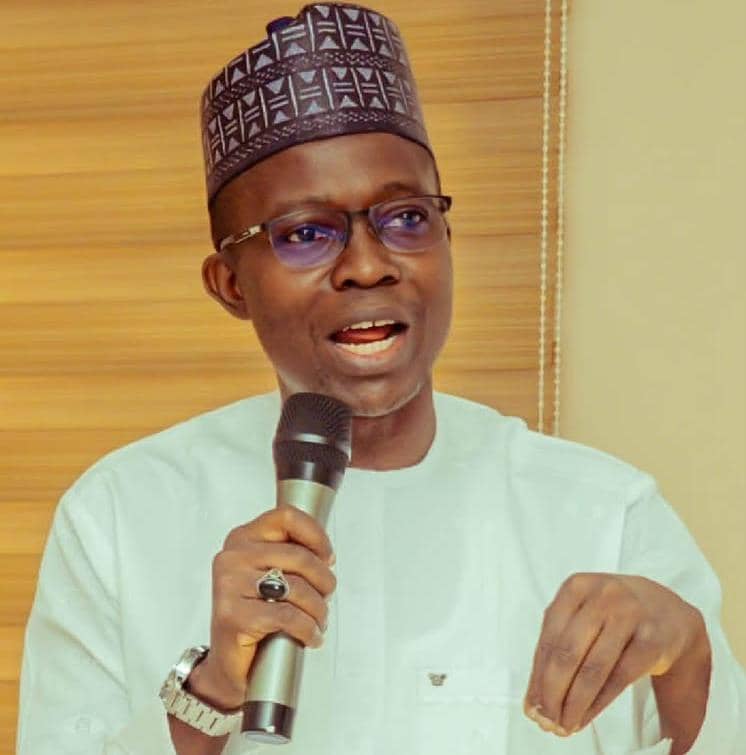
By: Mohammed Bello
Development Research and Policy Specialist
mohammed.bello@afri-cird.org