






















The Eyes on the Environment Initiative (EEI), in partnership with Nature News, SusLab, Green Foundation, Eco Media Central and Youth Green Hub, has called on the Kano State Government to strengthen policies aimed at reducing plastic waste.
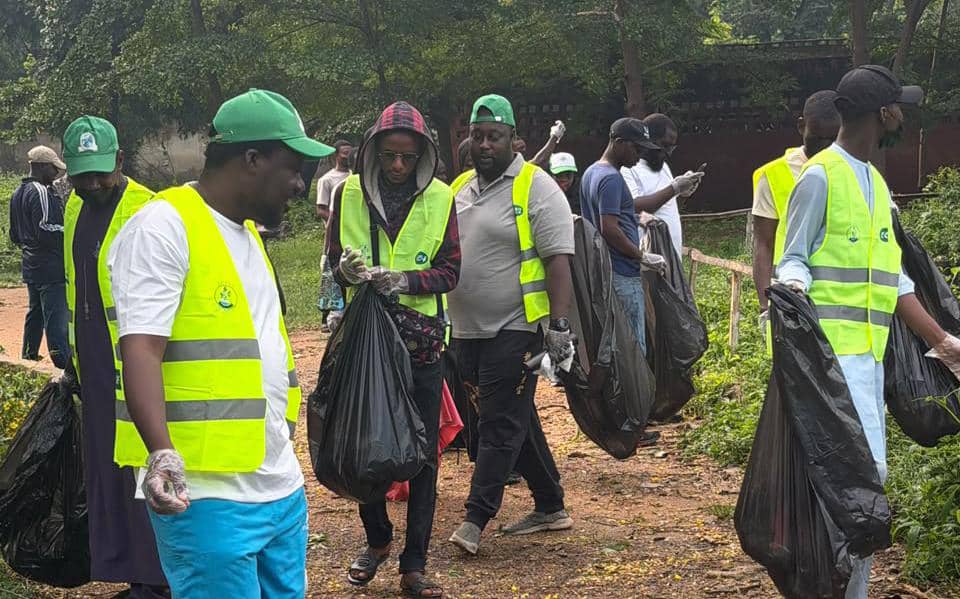
The group made the call during a community cleanup exercise held at the Audu Bako Zoological Garden in Kano on Sunday, September 20, to mark World Cleanup Day 2026.
The exercise, held under the theme, “Strive for 5!!! From Clean Plates to Clean Streets!!!”, attracted 42 participants, including 14 female volunteers and two teenagers.
The volunteers spent one hour and 50 minutes cleaning designated areas of the zoological garden, collecting about 15 bags of waste.
Most of the waste collected consisted of plastic bottles, pure-water sachets, straws, plastic spoons, lollipop sticks, takeaway packs, plastic cups and other single-use plastics.
In a statement shared with Iconic Times, the organisers thanked the volunteers for their time and commitment to the exercise.
“We sincerely appreciate every volunteer who gave their valuable time, energy, and commitment to make this cleanup possible. Their participation demonstrates that environmental protection is not the responsibility of governments and organisations alone, it is a shared responsibility that requires action from all of us,” the group said.
The organisers said the amount of plastic waste collected showed the need for stronger measures to tackle pollution at its source.
They urged the Kano State Government to promote waste reduction, reuse, recycling and circular economy practices.
The group also called for the introduction of an Extended Producer Responsibility (EPR) framework, which would require companies involved in producing, importing, distributing or selling plastic packaging to take greater responsibility for the environmental impact of their products.
It said manufacturers, importers, brand owners, distributors and retailers should have clearly defined responsibilities for recovering and properly managing plastic packaging after use.
The organisation also suggested measures such as charging consumers for disposable plastic shopping bags while providing incentives for those who use reusable alternatives.
It said any revenue generated from such measures should be transparently managed and directed towards recycling infrastructure, waste collection, community cleanup programmes, environmental education and support for local recycling businesses.
The group said community cleanups were important but should not replace effective waste management systems.
“For us, today’s cleanup is a reminder that keeping our environment clean requires more than picking up waste after it has been discarded. We must also address why the waste is being generated, how products are designed and packaged, who is responsible for managing them after use, and how materials can be recovered and reused rather than becoming pollution,” it said.
EEI said it would continue working with communities, government institutions, businesses, civil society groups and young people to promote practical solutions for a cleaner and more sustainable environment.
“The cleanup may be over, but the work continues,” the group added.