














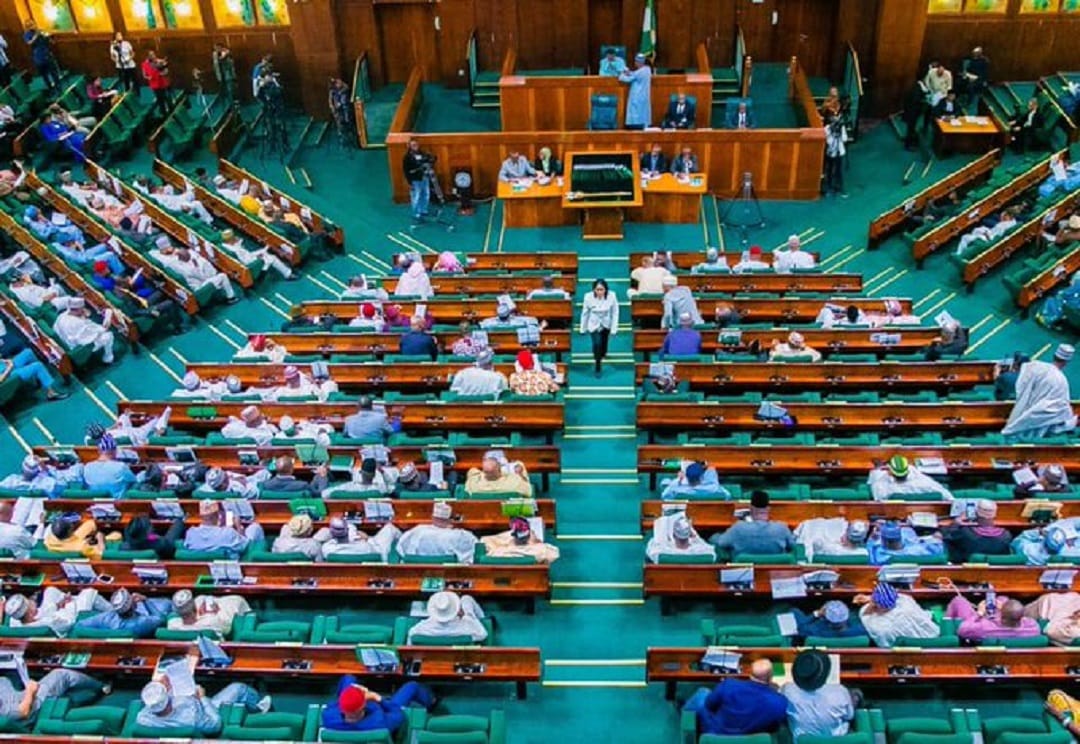
The House of Representatives has continued its investigative hearing into more than $4.6 billion in grants received by Nigeria from international donors between 2021 and 2025 for tackling HIV/AIDS, tuberculosis and malaria, as lawmakers call for improved transparency and accountability in how the funds were utilised.
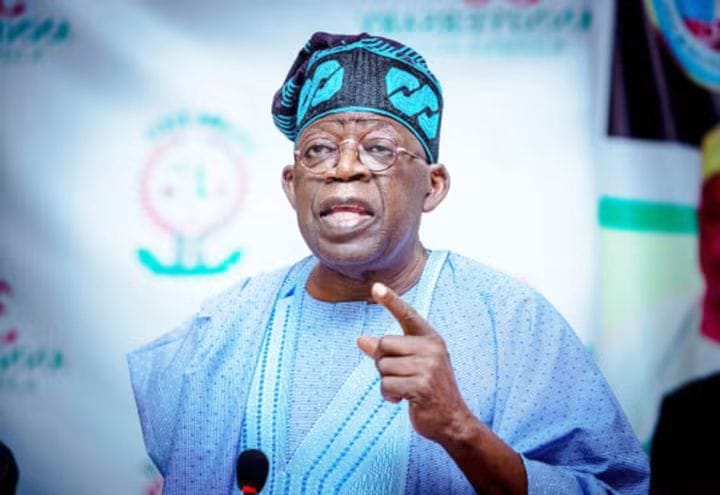
Chairman of the House Committee on Infectious Diseases, Amobi Godwin Ogah, who led the session in Abuja on Wednesday, said the inquiry was designed to ensure donor funds are properly applied and to rebuild confidence among international partners.
The grants, totalling over $1.8 billion from the Global Fund and $2.8 billion from USAID, were designated for fighting infectious diseases and strengthening Nigeria’s healthcare system.
Ogah emphasised that the exercise was not directed at any individual or organisation but motivated by the need to prioritise Nigerians in public health interventions.
“This is not a witch-hunt or vendetta. It is borne out of the desire to ensure transparency, accountability, and that whatever grants we receive are properly utilised,” he said.
He explained that the House had, in October 2025, instructed the committee to probe the funds, noting that the hearing resumed after earlier sessions were postponed due to public holidays.
The lawmaker praised development partners for their support to Nigeria’s health sector but maintained that stronger oversight measures must be introduced moving forward.
According to him, the National Assembly will now require all principal recipients and implementing partners of donor funds to present their implementation plans for legislative approval.
He added that quarterly reports outlining activities and fund usage would also become compulsory.
“We expect quarterly reports from all recipients and sub-recipients, as well as key implementing partners, to ensure proper monitoring and accountability,” he said.
Ogah also cautioned that Nigeria must enhance coordination among government agencies and non-state actors to avoid duplication and ensure effective allocation of resources.
He expressed worry that the country could fall short of its 2030 target of eliminating major public health threats but urged stakeholders to remain committed.
“We are at a decisive turning point. While the 2030 target may be challenging, we must roll up our sleeves and maximise available resources,” he added.
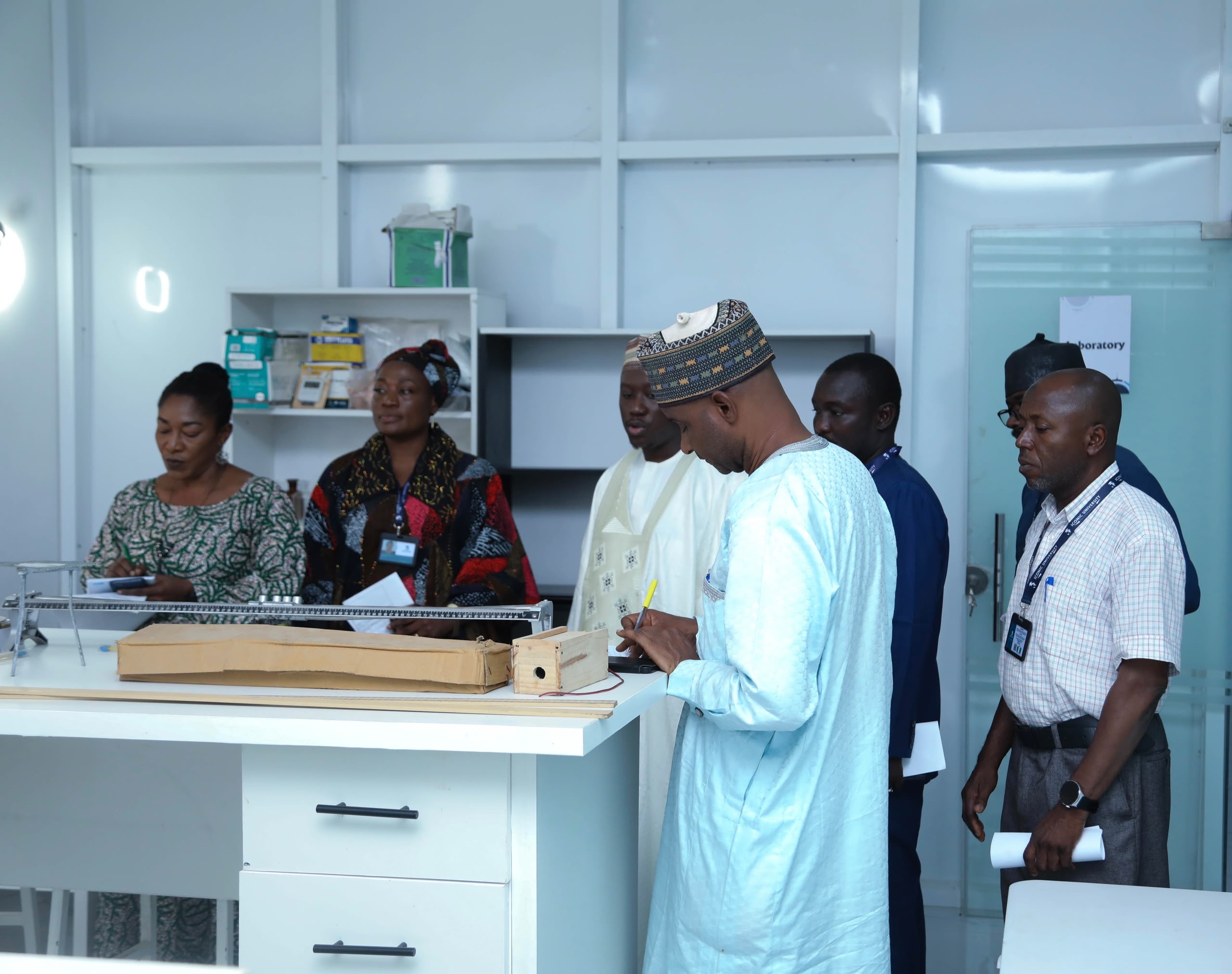
The hearing was attended by key stakeholders, including officials from the health ministry, the Global Fund Country Coordinating Mechanism, and implementing partners responsible for managing the grants.
The ongoing probe is expected to review how the funds were disbursed, utilised, and monitored, amid rising concerns over accountability in donor-supported health programmes in Nigeria.