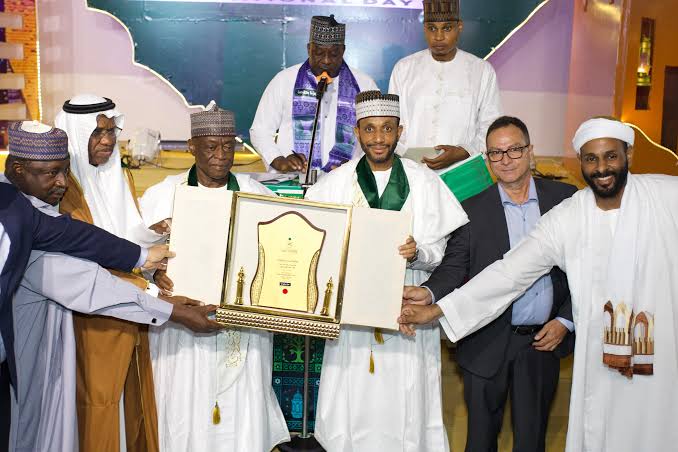














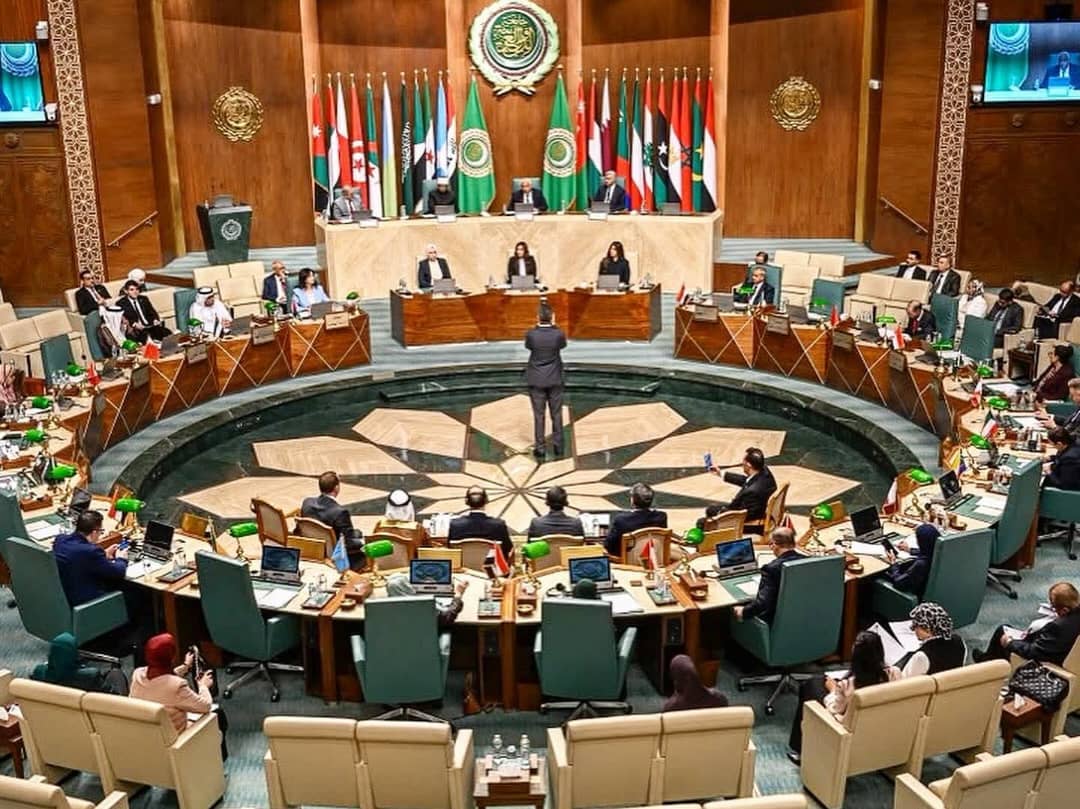
Participants at the Second International Conference to Combat Discrimination Against Islam and Muslims have called for stronger regional and international cooperation to address the rising threat of Islamophobia and ensure recommendations are translated into practical programmes that promote dialogue, tolerance and peaceful coexistence.
The two-day conference was held at the Arab League headquarters in Cairo, Egypt, and organised by the Arab League and the Islamic World Educational, Scientific and Cultural Organisation (ICESCO).
The event brought together government officials, international organisations, religious leaders, civil society groups and youth representatives under the theme, “Muslim Communities in the West and Their Role in Confronting Islamophobia.”
Speaking at the conference, Arab League Assistant Secretary-General for Oversight Affairs, Ambassador Hussein Hindawi, described freedom of religion and belief as “a fundamental right protected by international conventions.”
He warned that Islamophobia had grown beyond isolated incidents into “a wider social and political challenge.”
Quoting data from the European Union Agency for Fundamental Rights, Hindawi said 47 per cent of Muslims in 13 EU member states reported racial discrimination in 2024, an increase from 39 per cent in 2016.
According to him, 39 per cent experienced discrimination while seeking employment, 27 per cent faced racist harassment and four per cent suffered physical attacks, while only six per cent reported such incidents to the authorities.
Hindawi blamed stereotypes linking Muslims with terrorism, crime and irregular migration for fuelling hostility. He urged governments, religious institutions, educational bodies, the media and civil society to work together to combat hate speech.
During the conference, participants launched the Permanent Multilateral Institutional Platform to Combat Discrimination Against Islam and Muslims, aimed at strengthening international coordination and turning previous recommendations into concrete action.
Delegates also discussed the role of education, religious institutions, civil society and young people in promoting tolerance, mutual respect and peaceful coexistence.