














Nigeria’s economy is showing signs of recovery with projected growth in 2026, but rising inflation continues to cast a shadow over the country’s economic outlook, creating a mixed reality for citizens and businesses.
Recent projections indicate that the Nigerian economy is expected to grow by about 4.2% in 2026, reflecting gradual stabilization following a series of fiscal and monetary reforms introduced by the administration of President Bola Ahmed Tinubu.
Economic analysts attribute the anticipated growth to key policy changes, including the removal of fuel subsidies, exchange rate unification, and broader fiscal reforms aimed at improving government revenue and attracting investment.
These measures have strengthened public finances and improved investor confidence, positioning Nigeria for medium-term economic expansion despite global uncertainties.
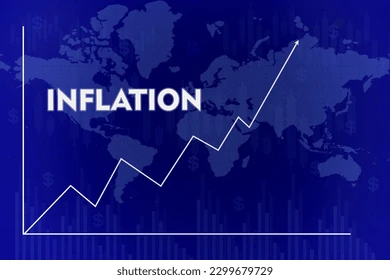
However, the gains are being undermined by persistent inflationary pressures. After declining earlier in the year, inflation is once again on the rise, driven largely by increases in global oil prices and supply chain disruptions linked to geopolitical tensions.
Higher fuel prices have had a ripple effect across the economy, leading to Increased transportation costs, ,Rising food prices, Higher cost of goods and service
For many Nigerians, the rising cost of living continues to outweigh the benefits of economic growth.
Economists note that Nigeria’s inflation challenges are not entirely domestic. Global developments, particularly tensions affecting oil supply, have pushed energy prices higher, placing additional strain on import-dependent economies like Nigeria
As a result, even as government reforms begin to yield results, external shocks are slowing the pace at which ordinary citizens can feel relief.
Across the country, households are grappling with shrinking purchasing power and rising daily expenses. Many families report difficulty coping with food prices and transportation costs, highlighting the gap between macroeconomic growth and everyday realities.
Small businesses are also facing increased operational costs, which could affect productivity and job creation if inflation remains unchecked.
Financial experts have called on policymakers to strike a balance between sustaining growth and controlling inflation. Recommendations include: Strengthening monetary policy to curb inflation, Investing in local production to reduce import dependence, Expanding social support systems to cushion vulnerable populations
While Nigeria’s economic growth outlook offers cautious optimism, the persistence of inflation underscores the need for continued policy adjustments and global stability.
For now, the country faces a familiar economic paradox growth without widespread relief as millions of Nigerians wait to feel the tangible benefits of ongoing reforms.