
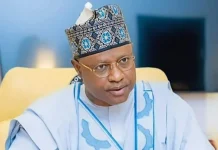





Borno State Governor, Professor Babagana Umara Zulum, has called for stronger regional collaboration to tackle the growing insecurity and humanitarian crisis in the Sahel region.
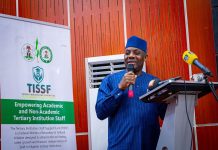
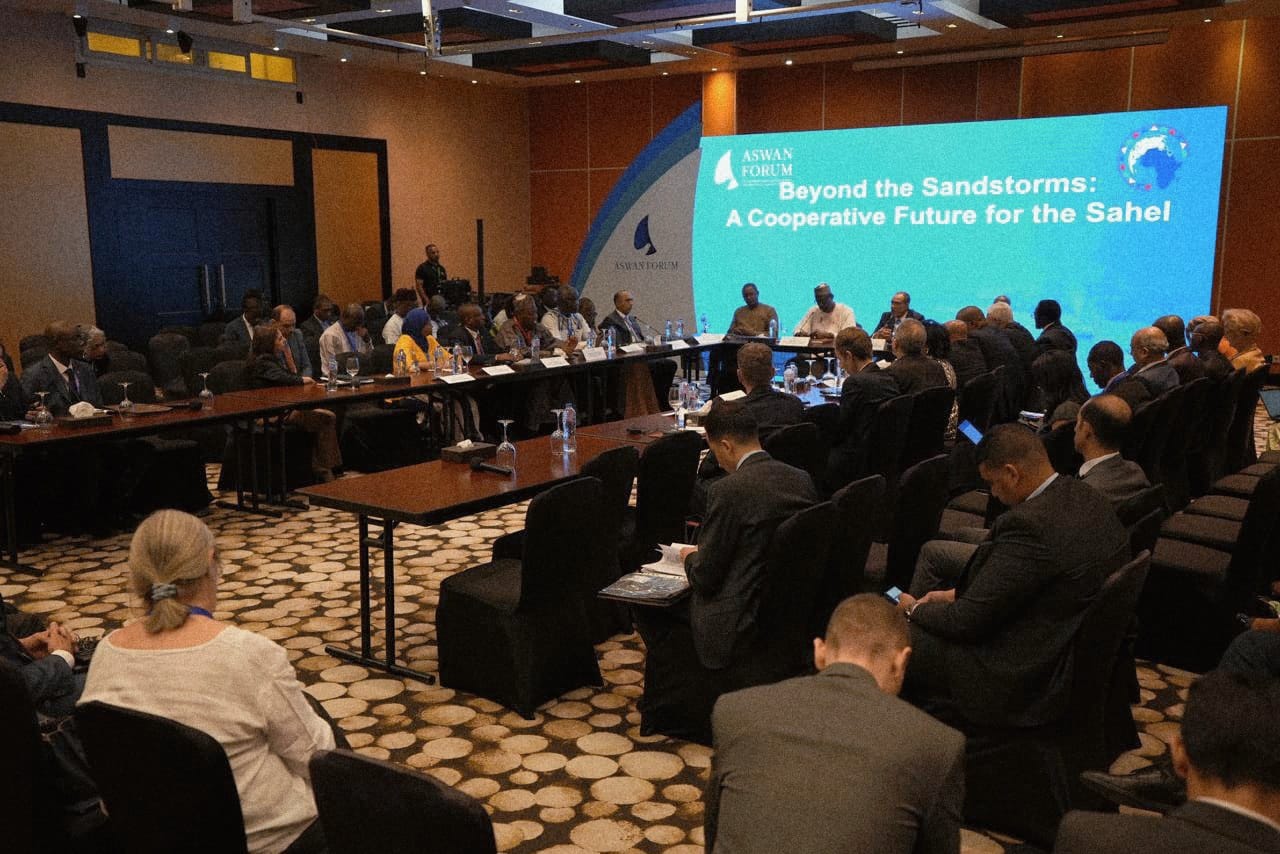
Zulum made the call on Sunday at the 5th Aswan Forum for Sustainable Peace and Development held in Aswan, Egypt.
He said the Sahel crisis requires a coordinated, long-term response that integrates security, development, and humanitarian efforts.
“The crises of instability, terrorism, and displacement that plague the Sahel cannot be solved by kinetic means alone,” the governor said.
“We must look beyond the battlefield. There is an urgent need for a multifaceted approach that combines security, development, and humanitarian assistance in a synchronized manner.”
Zulum, whose state lies at the heart of the Lake Chad Basin conflict, emphasized that violent groups operate across borders, making regional cooperation essential.
“In the Sahel context, you cannot address the challenges by just looking at two or three countries,” he said.
“You need to look deeper into the political region of the Sahel as defined by the United Nations Strategy, which covers 10 countries, including Mauritania, Gambia, and Guinea, among others.”
Zulum seeks support from African governments
He urged African governments and international partners to move beyond short-term relief toward sustainable development.
“For the last 15 years, we have had many interventions in Borno State, but humanitarian support is not a sustainable solution,” Zulum noted.
“There is a need for sustainable solutions, including development. The nexus between peace, development, and security need not be overemphasized. If there is no development, there cannot be peace or security.”
The governor also identified poverty, limited access to education, and climate change as major drivers of the ongoing instability in the region.
Other speakers at the forum included Egypt’s Minister of Foreign Affairs, Emigration, and Egyptian Expatriates, Dr. Badr Abdelatty; Mali’s Minister of Foreign Affairs, Abdoulaye Diop; and Burkina Faso’s Minister of Foreign Affairs, Karamoko Jean-Marie Traoré.