





Kaduna State government says it has reached a fiscal milestone, with internally generated revenue (IGR) now sufficient to cover the salaries of all civil servants.
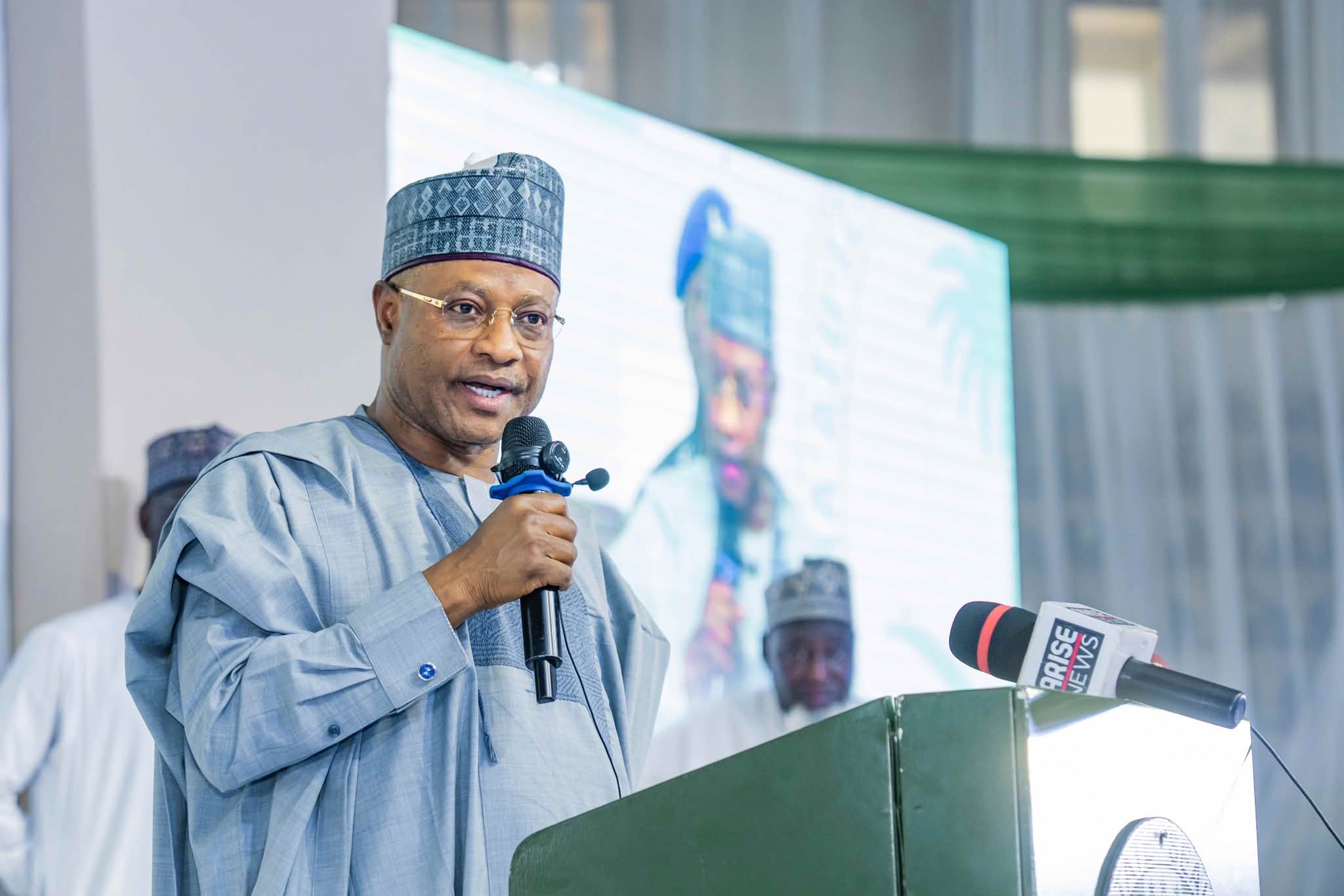
The State Commissioner for Planning and Budget, Mukhtar Monrovia, made this known during a one-day roundtable dialogue held at the Kaduna State House of Assembly, where the draft Medium Term Expenditure Framework (MTEF) for 2026 to 2028 was discussed.
Monrovia highlighted the importance of this achievement.
He said: “We have reached a point where our IGR comfortably takes care of civil servants’ salaries and other individuals working with the state government.
This has allowed the government to concentrate federal allocations solely on capital projects.”
Monrovia speaks on Kaduna’s infrastructure development
He noted the ongoing infrastructural developments, particularly the construction of rural roads spearheaded by Governor Uba Sani, as evidence of this strategic fiscal shift.
As Kaduna joins the ranks of more economically robust states such as Lagos, Rivers, and Ogun, Monrovia expressed optimism about the future.
“Our hope is that this capacity will only grow stronger with each passing year. A key highlight of the draft MTEF is the proposal to allocate N10 million for capital projects in each of the 255 political wards across the state as part of the 2026 budget. This initiative is aimed at ensuring fairness and inclusivity in development” Monrovia explained.
He pointed out that these projects would address critical sectors, including health, education, and social development, demonstrating a commitment to equity and transparency.
“We are deliberately spreading these interventions across critical areas,” Monrovia said, urging the House of Assembly to approve the draft as it was transmitted for further consideration.
In response to the presentation, Deputy Speaker of the Kaduna State House of Assembly, Honourable Magaji Henry, commended the initiative and expressed the legislature’s readiness to cooperate.
“What you have presented today is not just realistic but people-centred,” he stated.
He assured that the lawmakers would thoroughly review the framework and relay their feedback to the executive.
Emphasising unity between the legislature and the executive, Henry remarked,
“If there is any line between the legislature and the executive, it is a very thin one. We are bound by the same mandate—to deliver results to our people. Once the budget is realistic and transparent, we will work swiftly to pass it.”
The MTEF serves as a three-year strategic framework that aligns policy priorities with available resources, playing a crucial role in guiding the state’s annual budget preparations and ensuring fiscal discipline.
As discussions continue, stakeholders are optimistic about the positive impact of these financial strategies on the state’s development trajectory.