






Taraba State Government has reiterated its commitment to promoting sanitation, food hygiene, and modern meat processing practices, aiming to strengthen the state’s agricultural sector and ensure food safety.
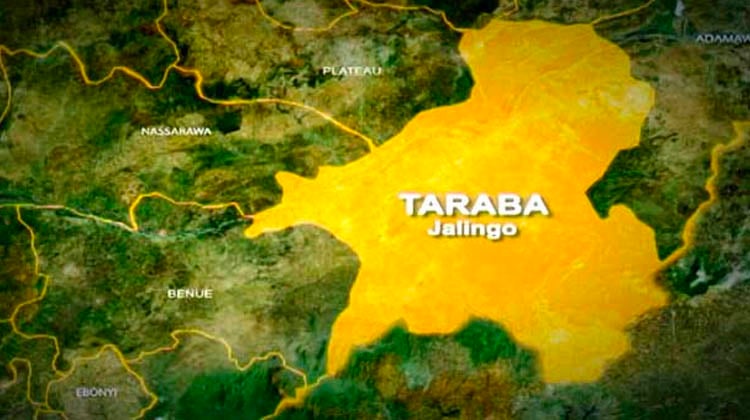
Speaking on Wednesday in Jalingo, the state capital, at the opening of a three-day training workshop for butchers, meat sellers, and processors, the Commissioner of Agriculture and Food Security, Professor Nicholas Oliver Namessan, said the initiative supports Governor Agbu Kefas’s vision of food safety and agricultural value addition across the state.
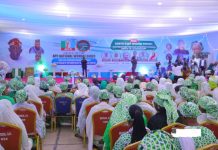
Organised by the Taraba Livestock Productivity and Resilience Support Project (L-PRES), the training seeks to equip 90 participants across the northern, central, and southern zones of the state with skills in hygienic meat handling.
According to the organisers, the exercise began in the northern zone, with 30 participants trained in each zone. Speaking through the Director of Livestock Services, Abdullahi Mahmood, Professor Namessan described the program as a crucial step toward improving health and productivity in the state’s agricultural sector.
“This training marks another step in our collective journey toward a healthier, more productive, and economically vibrant agricultural sector,” he said, adding that “a healthy population is a productive population, and that begins with safe food.”
He explained that the workshop is designed to enhance participants’ capacity in hygienic meat handling, proper waste management, and safe processing techniques in line with national and international standards. The commissioner stressed the importance of clean slaughter slabs, the use of protective clothing, and adherence to sanitation protocols to protect public health and boost consumer confidence.
“You are the link between livestock production and human nutrition,” he told participants. “By adopting hygienic handling protocols, you help reduce foodborne diseases, improve nutrition, and add value to every kilogram of meat sold in our markets.”
He reaffirmed the state government’s commitment to supporting meat industry stakeholders through enabling policies, infrastructure, and continuous training, while urging stronger collaboration among development partners, private investors, and community leaders to strengthen the meat value chain.
Enhancing meat quality, public health in Taraba
Also speaking at the event, Hananiah G. Albert, L-apRES State Project Coordinator, described the training as a “landmark step” toward safer meat production and processing in Taraba State.
Albert called the training a “landmark step” toward safer meat production, protecting public health, and boosting the economic value of the meat industry. He commended the partnership between the World Bank and the state government for funding the program.
“This training is a landmark step toward strengthening food safety, protecting public health, and enhancing the economic value of the meat industry,” he stated. Albert explained that participants would be exposed to best practices in slaughtering, waste disposal, temperature control, storage, and environmental hygiene, all essential for maintaining meat quality and profitability.
Beyond food safety, Albert highlighted the environmental benefits of proper waste management, including converting by-products into animal feed, fertilisers, and biogas, which support a circular economy and sustainability.
“To all participants, this training is a call to responsibility,” he said. “You are custodians of public health and must uphold cleanliness, discipline, and professionalism in every aspect of your work.”
Some butchers expressed confidence that the training would equip them with practical knowledge to improve hygiene in their daily operations.