












The World Bank has pledged to expand its investment in girls’ education in Kaduna State and other parts of Nigeria through the Adolescent Girls’ Initiative for Learning and Empowerment (AGILE) Project.
Regional Vice President of the World Bank, Ousmane Diagana, made this known on Wednesday during an inspection visit to the AGILE intervention site at Government Girls Secondary School, Kawo, Kaduna.
Diagana said the project was initiated in response to the alarming statistics of out-of-school children in Nigeria.
According to him, “reports have it that there are about 18 million out-of-school children in Nigeria and that 90 per cent of this number are in Northern Nigeria, the majority of whom are girls. So, AGILE is a response to addressing this issue, to create space for girls to go to school and thrive. This will impact society in the long run.”
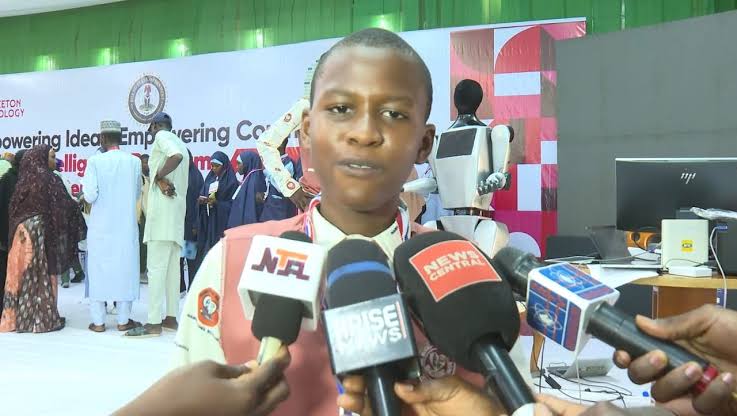
Diagana, who expressed satisfaction with the presentations made by students of GGSS Kawo, said the Bank is committed to continuing its investments in girls’ education, particularly in Northern Nigeria. “You will see more of AGILE Projects everywhere,” he said.
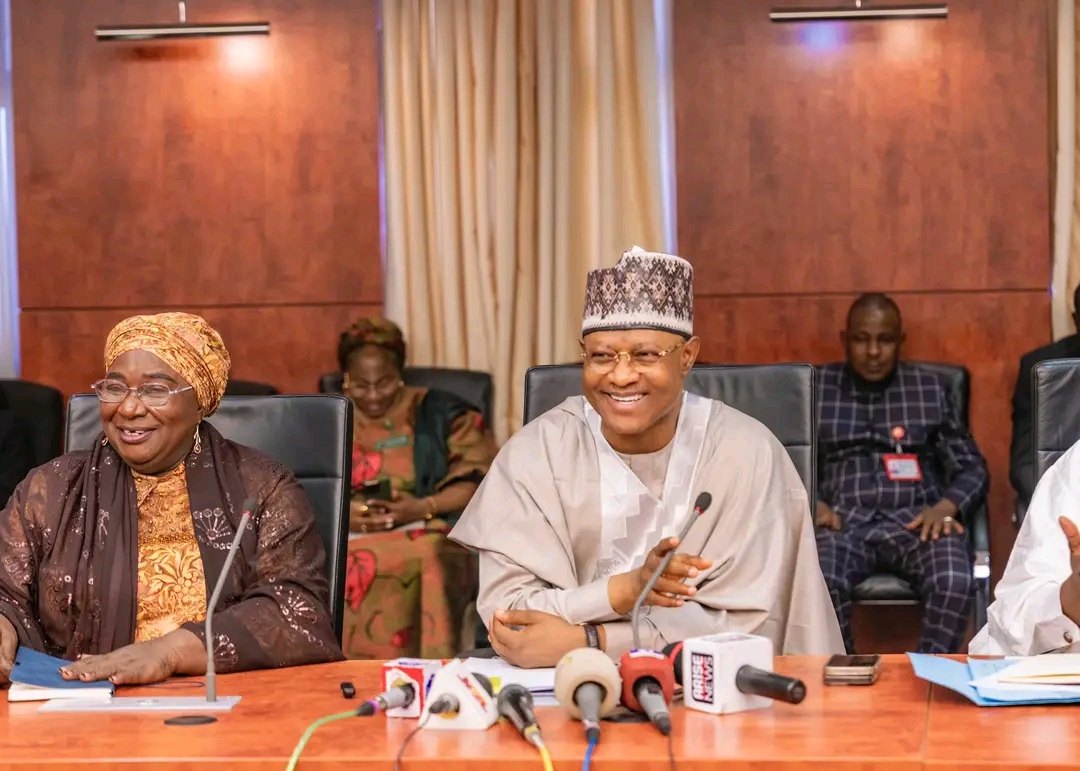
Earlier, during a courtesy visit to Governor Uba Sani at the Government House, the World Bank official commended Kaduna State’s track record in effectively managing donor-funded initiatives.
In response, Governor Sani stated that the state could serve as a model for World Bank projects in Nigeria, citing strengthened systems and consistent leadership.
The governor said World Bank-funded initiatives in Kaduna are designed to improve education, healthcare, infrastructure, environmental resilience, agriculture, and social welfare.
“These projects have not only reinforced the state’s development agenda but have also contributed to reducing poverty and enhancing the quality of life across various sectors,” he said.
Sani expressed hope that the existing partnership with the World Bank would be deepened and new areas of collaboration explored.
He disclosed that eight projects funded by the World Bank are currently running in the state, with a total portfolio exceeding $885 million.
Among them is the AGILE Project, which he said has received $80 million in credit and has already achieved over 70 percent disbursement.
He noted that the project has significantly advanced secondary education opportunities for adolescent girls, especially through improved school infrastructure and enrolment drives.
Governor Sani also highlighted the Accelerating Nutrition Results Nigeria (ANRiN) Project, a $17 million initiative that has been fully disbursed and closed.
According to him, the project improved nutrition services for pregnant and lactating women, adolescents, and children, contributing to reductions in maternal and child mortality.
He further mentioned the Nigeria Covid-19 Action Recovery and Economic Stimulus Programme (NG-CARES), a $20 million initiative supporting vulnerable households and small businesses.
He noted that approximately 45 percent of the fund has been disbursed and fully utilized so far.
Speaking on other ongoing projects, the governor said Kaduna is part of the $700 million Agro-Climatic Resilience in Semi-Arid Landscapes (ACReSAL) initiative, which aims to combat land degradation and enhance climate resilience.
He revealed that over $5.8 million has already been disbursed under the scheme.
Governor Sani also provided updates on the Kaduna State Rural Access and Agricultural Marketing Project (KADRAAMP), a $20 million rural infrastructure initiative aimed at improving market access for farmers through the rehabilitation of rural roads.
Governor Sani said half of the loan has been utilized, with plans underway for counterpart funding in 2025.
On the Sustainable Urban and ural Water Supply, Sanitation and Hygiene (SURWASH) Program, the governor said Kaduna’s portion of the $700 million national program is progressing steadily, with over $4.2 million already drawn down.