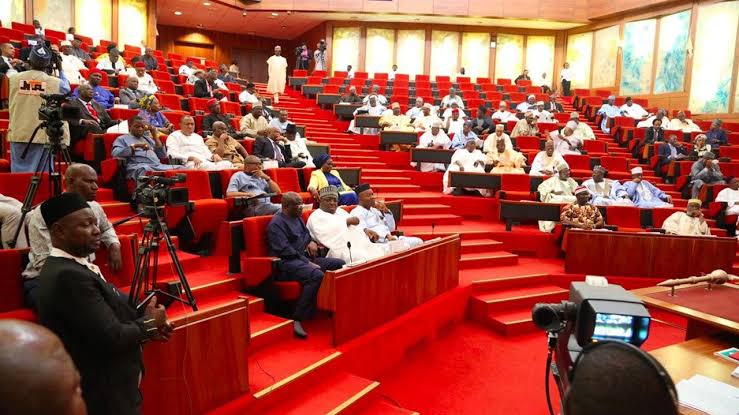

























The Nigerian Senate ojas approved the third reading of the Electoral Act 2022 (Repeal and Re-enactment) Amendment Bill 2026, endorsing adjustments to election schedules, voter accreditation technology and sanctions, while preserving some major provisions of the current law.
A major area of contention was the electronic transmission of results under Clause 60. Lawmakers turned down a proposal that would have made electronic transmission compulsory, which sought to mandate presiding officers to upload polling unit results to the INEC Result Viewing Portal (IREV) in real time after results were signed.
Instead, the Senate retained the existing provision that permits the Independent National Electoral Commission (INEC) to determine “the manner in which results and accreditation data are transferred.”
On voter identification and accreditation under Clause 47, the Senate officially replaced the use of “smart card readers” with the Bimodal Voter Accreditation System (BVAS). However, lawmakers rejected the adoption of electronically generated voter identification, insisting that the Permanent Voter Card (PVC) remains the only acceptable means of identification at polling units.
The bill also amends key election timelines. Under Clause 28, the notice of election period was cut from 360 days to 180 days before an election, while Clause 29 reduces the deadline for submission of candidates’ lists from 180 days to 90 days before a general election.
In addressing offences linked to PVCs under Clause 22, the Senate rejected a proposed 10-year jail term for buying or selling voter cards. Instead, it maintained the existing two-year imprisonment option and raised the fine from ₦2 million to ₦5 million.
Lawmakers also removed Clause 142, which would have permitted proof of non-compliance in election petitions using only original or certified documents without oral evidence. The clause was deleted to avoid what senators described as unnecessary delays in court proceedings.
On ballot paper inspection under Clause 44, the Senate retained the current procedure, which requires INEC to invite political parties to inspect sample electoral materials at least 20 days before an election. Political parties are also given two days to submit written approval or disapproval of their details on the samples.
With its passage, the amended Electoral Act now proceeds to the next legislative stage, establishing the framework for the conduct of future elections under revised timelines and procedures.