







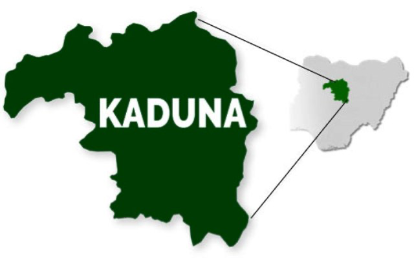
The Kaduna State Bureau of Statistics (KDBS) has concluded a week-long intensive training for field functionaries ahead of the Kaduna State General Household and Child Poverty Survey 2025 (KDGHCPS 2025).
The training, held from 21st to 27th September 2025, was organized to ensure accuracy, reliability, and credibility in data collection across the state’s 23 Local Government Areas.
The forthcoming survey is a multi-sectoral data-gathering exercise designed to generate vital statistics on household welfare and child poverty in Kaduna State.
Supported by UNICEF, Lafiya Project, PACE, GAIN, and other stakeholders, the exercise will provide policymakers with evidence-based insights for effective planning, poverty reduction, and improved social services.
Emphasis on quality data
In his opening remarks, the Statistician-General of Kaduna State and CEO of KDBS, Dr. Baba Bukar Alhaji, stressed the critical role of reliable data in decision-making.
He highlighted the multiple quality checks embedded in the field data collection process and encouraged participants to remain focused and committed.
“We have put in place several measures to ensure the credibility of this survey. I urge you to always seek clarification when in doubt, stay committed, and above all, avoid absenteeism during fieldwork as such will not be tolerated,” Dr. Alhaji warned.
The training attracted representatives from relevant Ministries, Departments, and Agencies (MDAs), alongside development partners, who delivered goodwill messages. They commended KDBS for strengthening data-driven governance in Kaduna State and reaffirmed their support for the success of the survey.
KDBS held an interactive and impactful training
The sessions covered practical skills in household data collection, digital survey tools, ethical considerations, and field engagement strategies.
Participants described the program as interactive and impactful, boosting their confidence in delivering reliable results in the field.
Reaffirming its mandate, KDBS pledged to continue working diligently to provide timely, high-quality, and unbiased data that will drive evidence-based decision-making, improve service delivery, and guide effective policy formulation in Kaduna State.