





The Kaduna State Government says its World Bank-funded Livestock Productivity and Resilience Support (L-PRES) Project is recording measurable improvements in animal health, pastoral livelihoods and peace-building across the state.
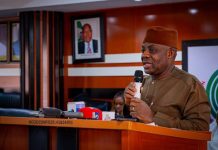
The Commissioner for Agriculture, Murtala Mohammed Dabo, stated this in Abuja during a five-day training on Effective Project Execution and Resource Allocation for members of the State Steering and Technical Committees of the project.
Dabo said the project, now in its second year, had achieved “significant mileage,” noting that pastoralist communities were being settled in organised clusters with critical infrastructure such as solar-powered boreholes and demonstration pasture fields.
“Access to clean water and quality pasture has improved livestock health, reduced disease and increased productivity, including higher milk yields,” he said.
He added that settling herders had reduced cattle movement, lowered crop damage and significantly curtailed clashes between farmers and herders.
“The impact on peace is unprecedented. Crises between herders and farmers have reduced significantly,” Dabo said.
Also speaking, the Project Coordinator, Dr Shitu Salisu, said the training was aimed at strengthening the capacity of committee members to effectively appraise work plans and monitor implementation.
He disclosed that the project targets about 1.2 million farmers in Kaduna State, with special intervention packages for women and youths, while large-scale farmers can access loans through the Development Bank of Nigeria.
Salisu added that all local government areas in the state were benefiting from the project, stressing that stakeholder engagement was key to sustainability.