










Farmers across Nigeria are raising concerns over the rising cost of fuel, warning that it could lead to higher food prices and reduced agricultural production.
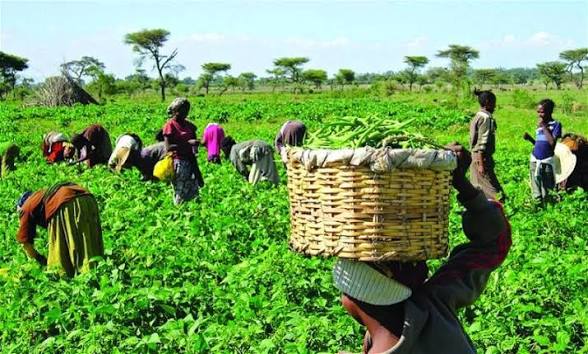
According to agricultural stakeholders, the recent increase in petrol prices has significantly raised the cost of transporting farm inputs, running irrigation machines, and moving harvested crops from farms to markets. Many farmers say the situation is making farming more expensive and less profitable.
Experts say global tensions in the Middle East have contributed to rising oil prices, which in turn affect fuel costs in many countries, including Nigeria. The disruptions in global energy markets have created volatility in petrol prices and increased the cost of goods and services.
Agricultural producers warn that if the trend continues, food supply could decline as some farmers may reduce the size of their farms or delay planting due to high operational costs. Rising transport costs could also make it more expensive to move food from rural farming communities to urban markets.
Economists say the situation could trigger another wave of food inflation, affecting millions of Nigerians who already spend a large portion of their income on food. They have called on the government to support farmers with subsidies, improved logistics, and policies that reduce the impact of rising fuel prices on agriculture.
Authorities say they are monitoring the situation closely to ensure businesses do not exploit the fuel price increase to unfairly raise prices of goods and services.